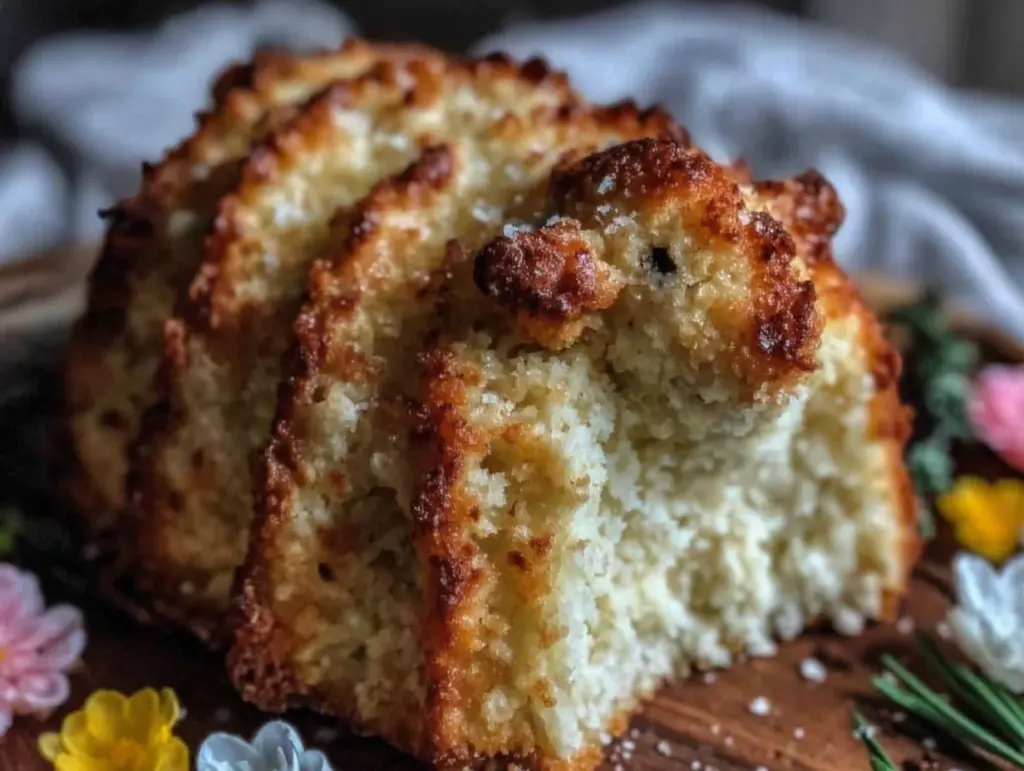
“You brought a lamb cake? Seriously?” My cousin’s skeptical grin was memorable that spring afternoon. I had just pulled a fluffy spring lamb-shaped butter cake out of the oven, and honestly, I wasn’t sure if it would charm the crowd or end up as a quirky kitchen fluke. The idea came from rummaging through my baking tins when I found that vintage lamb mold, a relic from my grandma’s kitchen. I figured, why not? I’d been tweaking butter cakes for years, but shaping one into a lamb felt like a fun nod to the season’s celebrations—Easter, springtime gatherings, and all those moments when you want something both sweet and thematic.
The cake’s texture surprised me the most. It wasn’t dense or heavy like some butter cakes can be; instead, it had this almost cloud-like fluffiness that made slicing it feel like cutting through a soft pillow. And the butter flavor? Rich but balanced, with a hint of vanilla that made each bite melt in your mouth. Watching the kids’ eyes light up as they admired the lamb shape was the real reward. This cake became a staple in my seasonal repertoire, slipping into brunches and potlucks with the ease of a familiar friend. It carries that quiet magic of simple ingredients, shaped with a little whimsy, turning ordinary moments into something just a touch more special.
It’s funny how a found object—a cast lamb mold tucked away for years—can inspire a recipe that feels both nostalgic and fresh. This fluffy spring lamb-shaped butter cake isn’t about impressing with complexity but about savoring the season’s spirit, one tender slice at a time.
Why You’ll Love This Recipe
- Quick & Easy: Comes together in under an hour, perfect for last-minute springtime celebrations or casual afternoon tea.
- Simple Ingredients: Uses pantry staples like butter, sugar, eggs, and flour—no special trips to the store necessary.
- Perfect for Seasonal Gatherings: A charming centerpiece for Easter brunches, baby showers, or any spring get-together.
- Crowd-Pleaser: Kids and adults alike adore the fluffy texture and subtle vanilla flavor—plus, the lamb shape always sparks conversation!
- Unbelievably Delicious: The butter cake’s tender crumb and moist consistency make it far from your average butter cake.
What sets this recipe apart is the careful balance of butter and vanilla, combined with a gentle folding technique that keeps the batter light. I’ve tested this one repeatedly, tweaking the sugar and baking time until it felt just right—no dry edges or dense centers, just soft, fluffy goodness throughout. The lamb mold adds a playful touch, but it’s the cake’s texture and flavor that keep people coming back.
This recipe isn’t just a sweet treat; it’s a little celebration in itself. Whether you’re baking for your family or bringing it as a gift, it carries that warmth and charm that makes springtime feel cozy and bright.
What Ingredients You Will Need
This recipe uses simple, wholesome ingredients to deliver a bold flavor and satisfying texture without the fuss. Most are pantry staples, and substitutions are easy if needed.
- Unsalted butter, softened (I recommend Kerrygold for that rich, creamy butter flavor)
- Granulated sugar (regular white sugar works best here for the classic crumb)
- Large eggs, room temperature (helps the batter emulsify properly)
- All-purpose flour, sifted (King Arthur flour gives a nice, consistent texture)
- Baking powder (freshness matters—make sure it’s not expired for proper rise)
- Salt, just a pinch to balance sweetness
- Whole milk (use dairy or your favorite plant-based milk like oat milk for a subtle sweetness)
- Pure vanilla extract (homemade or good quality store-bought adds depth)
- Powdered sugar for dusting (optional, for that pretty finishing touch)
For a seasonal twist, you can add a teaspoon of lemon zest or a splash of almond extract to brighten the flavor without overpowering the cake’s buttery base. If you want a dairy-free version, swap the butter with a plant-based margarine and the milk with almond or coconut milk.
This recipe works beautifully with the vintage lamb-shaped mold I mentioned earlier, but you can also use any spring-themed cake pan or even a Bundt pan if you want a simpler shape.
Equipment Needed
- Lamb-shaped cake mold (or any spring-themed cake pan; if you don’t have one, a Bundt pan or loaf pan works well)
- Electric mixer or stand mixer (for creaming butter and sugar smoothly; a hand mixer works fine too)
- Mixing bowls, medium and large
- Measuring cups and spoons (accuracy helps keep the texture spot-on)
- Sifter or fine mesh sieve (for flour and powdered sugar)
- Rubber spatula (perfect for folding in flour without deflating the batter)
- Cooling rack (to let the cake cool evenly after baking)
- Butter or non-stick spray for greasing the mold (I like using coconut oil spray for easy release)
If you don’t own a lamb mold, I’ve found that silicone pans often release cakes effortlessly, even without heavy greasing. For metal pans, thorough greasing and flouring are key to avoid sticking. I once learned this the hard way when my first attempt ended up as a “cake crumble” because I skimped on greasing!
Preparation Method
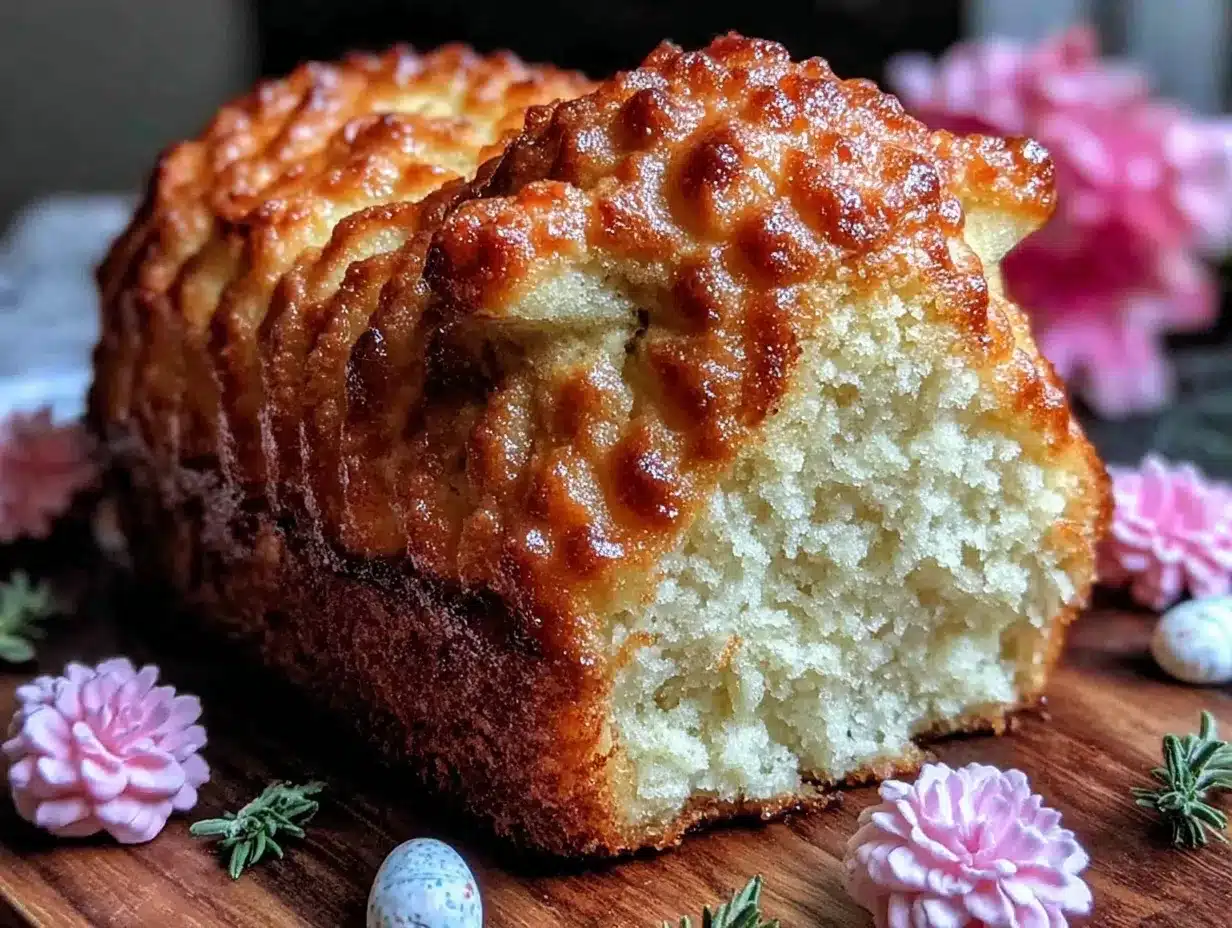
- Preheat your oven to 350°F (175°C). Position your rack in the center for even baking. Grease your lamb-shaped cake mold thoroughly with butter or non-stick spray, then lightly dust with flour, tapping out any excess. This step prevents the cake from sticking and keeps those lamb details crisp.
- Cream the butter and sugar. In a large bowl, use your electric mixer to beat 1 cup (227 g) of softened unsalted butter and 1 1/2 cups (300 g) granulated sugar on medium speed until the mixture is pale and fluffy, about 3-5 minutes. This is where you build the cake’s light texture, so don’t rush it.
- Add eggs one at a time. Crack in 4 large eggs, one by one, beating well after each addition. If the batter looks like it’s curdling a bit, don’t worry—that’s normal. Just keep mixing until smooth and glossy.
- Mix dry ingredients. In a separate bowl, sift together 2 3/4 cups (345 g) all-purpose flour, 2 1/2 teaspoons baking powder, and 1/2 teaspoon salt. Sifting helps aerate the flour, which contributes to the fluffiness.
- Combine wet and dry ingredients alternately. Add dry ingredients in thirds to the butter mixture, alternating with 1 cup (240 ml) whole milk and 2 teaspoons pure vanilla extract. Start and end with the dry ingredients. Use a rubber spatula to fold gently after each addition, mixing just until combined to avoid overworking the batter.
- Pour batter into the prepared mold. Scrape the batter into your lamb mold, smoothing the surface with a spatula. Tap the mold gently on the counter to release any trapped air bubbles. This helps prevent holes or cracks in the cake.
- Bake for 50-60 minutes. Check for doneness by inserting a toothpick into the thickest part of the cake; it should come out clean or with a few moist crumbs. If the top browns too quickly, tent loosely with foil after 40 minutes.
- Cool in the pan for 15 minutes. Then, carefully invert the cake onto a cooling rack. Let it cool completely before dusting with powdered sugar or decorating.
Pro Tip: If your batter feels too thick, a splash more milk will loosen it just enough. Overmixing can lead to a denser cake, so patience during folding is key. I’ve found that gentle hand folding beats aggressive mixer use here every time.
Cooking Tips & Techniques
Getting a fluffy butter cake with a perfect crumb isn’t always straightforward, but a few tricks have saved me from failures more than once. First, always use room temperature eggs and butter. Cold ingredients won’t blend smoothly, leading to uneven texture or lumps. I’ve learned this after a rushed morning bake where my cake turned out gritty.
Creaming the butter and sugar until light and fluffy is the foundation of this cake’s tender crumb. Don’t cut corners here; it takes a few minutes but is worth every second.
When mixing in the flour, fold carefully. Overmixing develops gluten, making the cake tough instead of soft. I usually switch to a spatula once the flour goes in, folding with slow, deliberate strokes.
Watch your oven temperature—too hot and the cake crusts too fast, too low and it won’t rise properly. An oven thermometer can be a handy tool if your oven runs hot or cold.
Lastly, the lamb mold: greasing properly and dusting with flour is essential to keep those lamb details intact. If you find the cake sticks, try greasing twice or using parchment paper cut to shape if your mold allows.
Variations & Adaptations
This fluffy spring lamb-shaped butter cake is quite versatile, making it easy to adapt for different tastes or dietary needs.
- Lemon-Infused: Add 1 tablespoon of fresh lemon zest and 2 tablespoons lemon juice to the batter for a bright, citrusy twist perfect for spring.
- Almond Variation: Swap 1/2 cup of the flour with almond flour and add 1 teaspoon almond extract for a nutty undertone that pairs beautifully with the butter base.
- Gluten-Free Option: Use a 1-to-1 gluten-free baking flour blend instead of all-purpose flour. I recommend brands like Bob’s Red Mill for reliable results.
- Dairy-Free: Replace butter with dairy-free margarine and milk with coconut or almond milk. The texture changes slightly but remains delightfully moist.
- Frosted Lamb Cake: After cooling, frost with a simple cream cheese or vanilla buttercream icing. It’s a fun way to add color and extra sweetness for celebrations.
One personal favorite was adding a handful of finely chopped dried apricots to the batter during a spring brunch. It gave the cake a subtle fruity surprise that was a hit with guests. Also, if you want a different shape but a similar buttery cake, try the Bundt pan from my apple fritter cake recipe—the batter works wonderfully there too!
Serving & Storage Suggestions
Serve this cake at room temperature to appreciate its tender crumb and rich butter flavor fully. A light dusting of powdered sugar is often enough, but a dollop of whipped cream or fresh berries on the side adds brightness without overshadowing the flavor.
It pairs beautifully with a cup of tea or a mild coffee, making it a delightful choice for springtime brunches or afternoon treats. For a festive touch, I sometimes serve it alongside savory bites like crispy baked ham and cheese croissants, balancing sweet and savory on the table.
To store, wrap the cooled cake tightly in plastic wrap or keep it in an airtight container at room temperature for up to 3 days. For longer storage, freeze wrapped cake slices for up to 2 months. Thaw overnight in the fridge, then bring to room temperature before serving.
Reheating gently in a low oven (about 300°F / 150°C for 10 minutes) brings back that just-baked softness. I’ve noticed the flavors deepen a bit after a day, making leftovers even more enjoyable.
Nutritional Information & Benefits
This fluffy spring lamb-shaped butter cake offers a comforting treat with moderate calories—approximately 320 calories per serving (based on 12 servings). It’s a good source of energy thanks to the butter and eggs, which also provide essential fats and protein.
Using high-quality butter and eggs adds nutrients like vitamin A and choline, beneficial for overall health. While this cake isn’t low in sugar or fat, it fits well into a balanced diet when enjoyed in moderation.
For those with dietary considerations, the recipe’s adaptability for gluten-free and dairy-free options means more people can enjoy it without worry. Just be mindful of potential allergens like eggs and nuts if you choose almond flour.
Conclusion
So, why try this fluffy spring lamb-shaped butter cake? Because it’s more than just a dessert; it’s a slice of seasonal joy shaped with a sprinkle of nostalgia and a whole lot of flavor. Whether you stick to the classic version or tailor it with your favorite twist, this cake welcomes you into the warmth of spring celebrations.
I keep coming back to this recipe not just for how it tastes, but for the smiles it brings around the table. It’s simple, approachable, and just a little bit special—which, honestly, is exactly what you want from a seasonal cake.
Give it a try and see how it fits into your own spring traditions. And if you enjoy this, you might find inspiration in other family favorites like the crispy turkey sliders or the creamy dill pickle cheese ball—both crowd-pleasers perfect for your next gathering.
Happy baking, and here’s to celebrating the season with a little sweetness and a lot of heart!
FAQs
Can I make this lamb-shaped butter cake ahead of time?
Yes! Bake the cake up to two days in advance, store it wrapped tightly at room temperature, and dust with powdered sugar just before serving for the freshest look.
What if I don’t have a lamb-shaped cake mold?
No worries. Use a Bundt pan, loaf pan, or any spring-themed mold you have. The butter cake recipe works well in various shapes with similar baking times.
How do I prevent the cake from sticking to the mold?
Grease the mold thoroughly with butter or non-stick spray, then dust with flour, tapping out excess. For silicone molds, greasing might be less critical but still recommended for best results.
Is this recipe suitable for gluten-free diets?
You can make it gluten-free by using a 1-to-1 gluten-free flour blend. Just ensure your baking powder is gluten-free as well. The texture will be slightly different but still delicious.
Can I add frosting or decorations to the cake?
Absolutely! A simple dusting of powdered sugar is classic, but cream cheese or vanilla buttercream frosting works beautifully for more festive occasions.
Pin This Recipe!
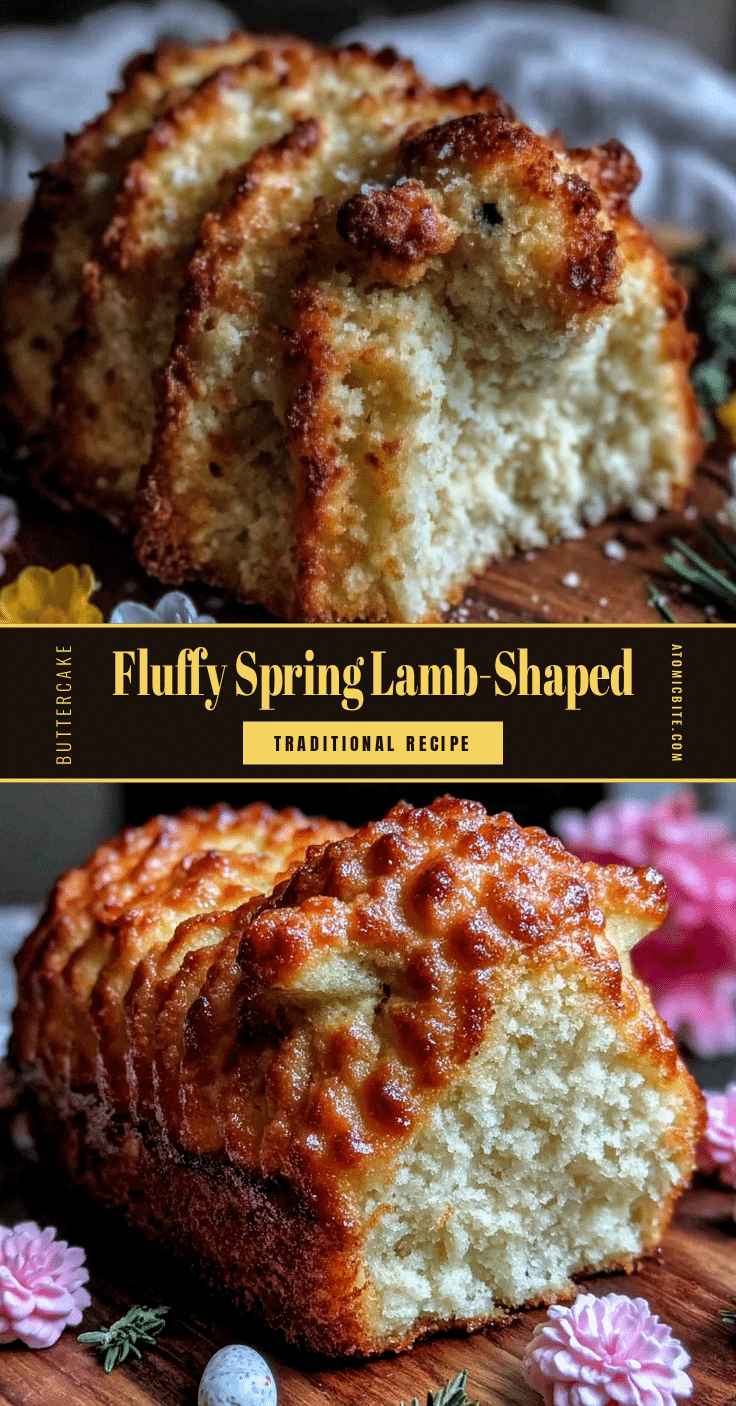
Fluffy Spring Lamb-Shaped Butter Cake

A light and fluffy butter cake shaped like a spring lamb, perfect for Easter and seasonal celebrations. This cake features a tender crumb, rich butter flavor, and a subtle hint of vanilla.
- Prep Time: 15 minutes
- Cook Time: 50-60 minutes
- Total Time: 1 hour 10-15 minutes
- Yield: 12 servings 1x
- Category: Dessert
- Cuisine: American
Ingredients
- 1 cup (227 g) unsalted butter, softened
- 1 1/2 cups (300 g) granulated sugar
- 4 large eggs, room temperature
- 2 3/4 cups (345 g) all-purpose flour, sifted
- 2 1/2 teaspoons baking powder
- 1/2 teaspoon salt
- 1 cup (240 ml) whole milk (dairy or plant-based like oat milk)
- 2 teaspoons pure vanilla extract
- Powdered sugar for dusting (optional)
Instructions
- Preheat your oven to 350°F (175°C). Position your rack in the center for even baking. Grease your lamb-shaped cake mold thoroughly with butter or non-stick spray, then lightly dust with flour, tapping out any excess.
- In a large bowl, use an electric mixer to beat the softened butter and granulated sugar on medium speed until pale and fluffy, about 3-5 minutes.
- Add eggs one at a time, beating well after each addition until the batter is smooth and glossy.
- In a separate bowl, sift together the flour, baking powder, and salt.
- Add dry ingredients in thirds to the butter mixture, alternating with milk and vanilla extract. Start and end with the dry ingredients. Fold gently with a rubber spatula after each addition, mixing just until combined.
- Pour batter into the prepared mold, smoothing the surface with a spatula. Tap the mold gently on the counter to release air bubbles.
- Bake for 50-60 minutes. Check doneness by inserting a toothpick into the thickest part; it should come out clean or with a few moist crumbs. Tent with foil after 40 minutes if the top browns too quickly.
- Cool in the pan for 15 minutes, then invert onto a cooling rack. Let cool completely before dusting with powdered sugar or decorating.
Notes
Use room temperature eggs and butter for best texture. Cream butter and sugar thoroughly to achieve a light crumb. Fold flour gently to avoid overmixing. Grease and flour the mold well to preserve lamb details and prevent sticking. If batter is too thick, add a splash more milk. Tent cake with foil if browning too fast.
Nutrition
- Serving Size: 1 slice (1/12 of cak
- Calories: 320
- Sugar: 24
- Sodium: 180
- Fat: 18
- Saturated Fat: 11
- Carbohydrates: 38
- Fiber: 0.5
- Protein: 4
Keywords: butter cake, lamb-shaped cake, spring cake, Easter cake, fluffy cake, vanilla cake, seasonal dessert