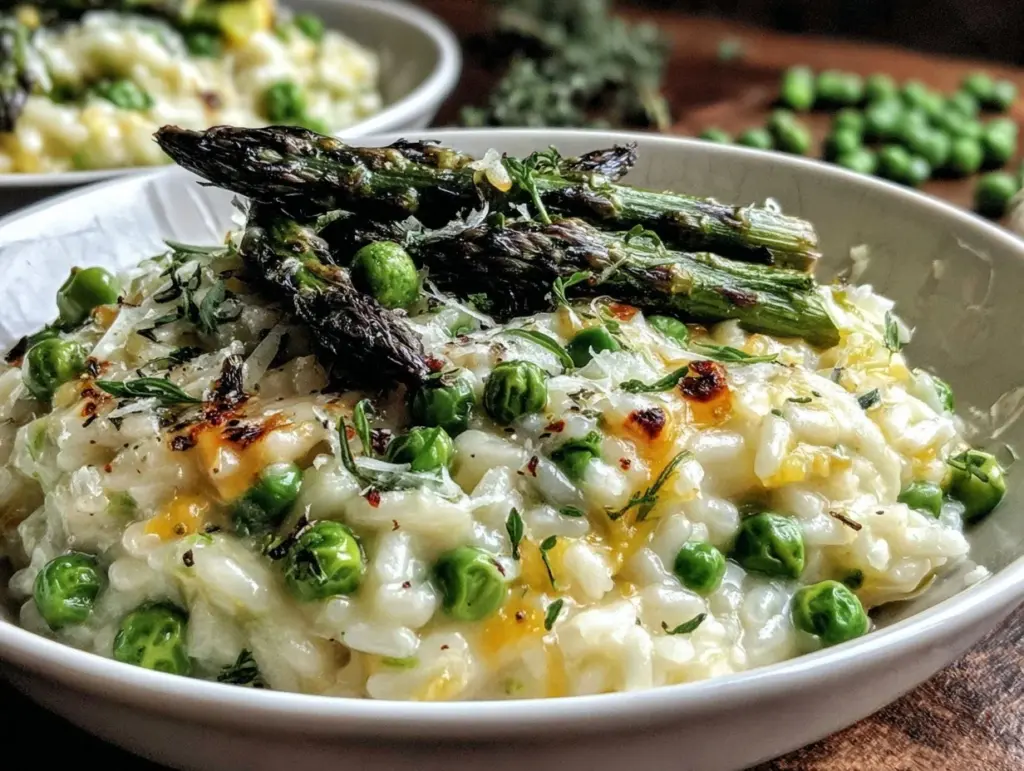
“You’re going to love this one,” my neighbor said last spring, waving a bowl of something green and creamy through the kitchen window. That day, I was juggling a mountain of work emails and an impatient toddler, the kind of chaotic afternoon where dinner feels like a distant dream. Yet, that risotto smelled so fresh and inviting that I couldn’t resist asking for the recipe. Honestly, I was skeptical—risotto always seemed like a fussy, time-consuming dish, best left to restaurant menus or weekend projects.
But when I finally tried making this creamy spring pea and asparagus risotto, something clicked. The vibrant green of the peas and asparagus felt like a little celebration of the season, and the texture was luxuriously smooth without being heavy. It was one of those rare dishes where the ingredients sing together effortlessly, and you barely notice the clock ticking. I found myself making it multiple times that week, even sneaking in a few tweaks here and there to suit my taste.
Cooking this risotto became a quiet reset amid the noise—a moment to slow down and enjoy the simple pleasure of fresh spring vegetables marrying with creamy Arborio rice. It’s not just a meal; it’s a reminder that elegance can be easy, and that sometimes the best recipes come from unexpected places. This one stuck with me because it’s approachable enough for weeknights but special enough for guests. And honestly, that’s exactly the kind of recipe I keep coming back to.
Why You’ll Love This Recipe
This creamy spring pea and asparagus risotto isn’t just another green dish—it’s a celebration of fresh flavors and cozy textures that feels special without the stress. Here’s why it’s become a staple in my kitchen:
- Quick & Easy: Ready in about 35 minutes, it’s perfect for those evenings when you want something elegant but don’t have hours to spend cooking.
- Simple Ingredients: No fancy or hard-to-find items here—just good-quality Arborio rice, fresh peas, asparagus, and basic pantry staples.
- Perfect for Spring Dining: The fresh green veggies bring a light, seasonal touch that feels right for spring dinners or even a cozy brunch.
- Crowd-Pleaser: Family, friends, even picky eaters tend to ask for seconds. The creamy texture and subtle flavors are universally comforting.
- Unbelievably Delicious: Thanks to the slow addition of broth and the gentle stirring, the risotto develops a silky consistency that’s downright addictive.
What sets this recipe apart is the way it balances fresh spring veggies with creamy, cheesy goodness without being heavy or greasy. Instead of drowning the dish in butter or cream, this risotto relies on a gradual build-up of flavor and texture. Plus, I often add a little lemon zest at the end for a zing that cuts through the richness—that’s my personal touch you might want to try. If you’ve tried risotto before but found it intimidating or too rich, this version might just change your mind.
It’s the kind of dish that makes you close your eyes after the first bite and appreciate the quiet luxury of simple, well-made food. Whether you’re aiming to impress at a spring dinner party or simply want a comforting meal that feels a little fancy, this risotto fits the bill.
What Ingredients You Will Need
This recipe uses simple, wholesome ingredients to deliver bold flavor and satisfying texture without the fuss. Most of these are pantry staples or fresh spring produce you can easily find at your local market.
- Arborio rice (1 ½ cups / 300 g) – the star for creamy, perfectly chewy risotto
- Vegetable broth (about 5 cups / 1.2 liters) – warm, for gradual absorption
- Fresh asparagus (1 bunch / about 12 oz / 340 g) – trimmed and cut into 1-inch pieces (adds crunch and fresh spring flavor)
- Fresh or frozen peas (1 cup / 150 g) – sweet bursts of color and taste (I like using fresh when in season)
- Shallots (2 medium, finely chopped) – for a subtle onion flavor
- Garlic (2 cloves, minced) – adds a gentle savory note
- Dry white wine (½ cup / 120 ml, optional) – balances richness, but you can skip or replace with extra broth
- Unsalted butter (3 tablespoons / 45 g) – for richness without overwhelming
- Parmesan cheese (¾ cup / 75 g, freshly grated) – lends a nutty, creamy finish (I trust Parmigiano-Reggiano for the best depth)
- Lemon zest (from 1 lemon) – brightens up the dish with a fresh zing
- Olive oil (2 tablespoons) – for sautéing
- Salt and freshly ground black pepper – to taste
Pro tip: Look for firm, bright green asparagus and sweet peas for peak freshness. If you want to make this gluten-free, double-check that your broth is certified gluten-free. Also, for a dairy-free version, swap butter with extra olive oil and parmesan with a vegan cheese alternative or nutritional yeast.
Equipment Needed
- Large heavy-bottomed skillet or sauté pan: This helps distribute heat evenly, preventing the rice from sticking or burning. I use a 12-inch stainless steel pan, but a good non-stick will work too.
- Medium saucepan: For warming the broth. Keeping it hot is key to achieving that creamy texture.
- Wooden spoon or silicone spatula: For stirring—metal can scratch your pans, and you want something sturdy to stir constantly.
- Chef’s knife and cutting board: For prepping the shallots, asparagus, and garlic.
- Grater: Freshly grated parmesan makes a big difference compared to pre-grated packs.
If you don’t have a heavy-bottomed pan, a cast-iron skillet or a good-quality non-stick pan will do just fine. For warming broth, a regular saucepan is enough; no special equipment needed. I keep my wooden spoons seasoned and replace them every couple of years—they hold up well for risotto stirring marathons.
Preparation Method
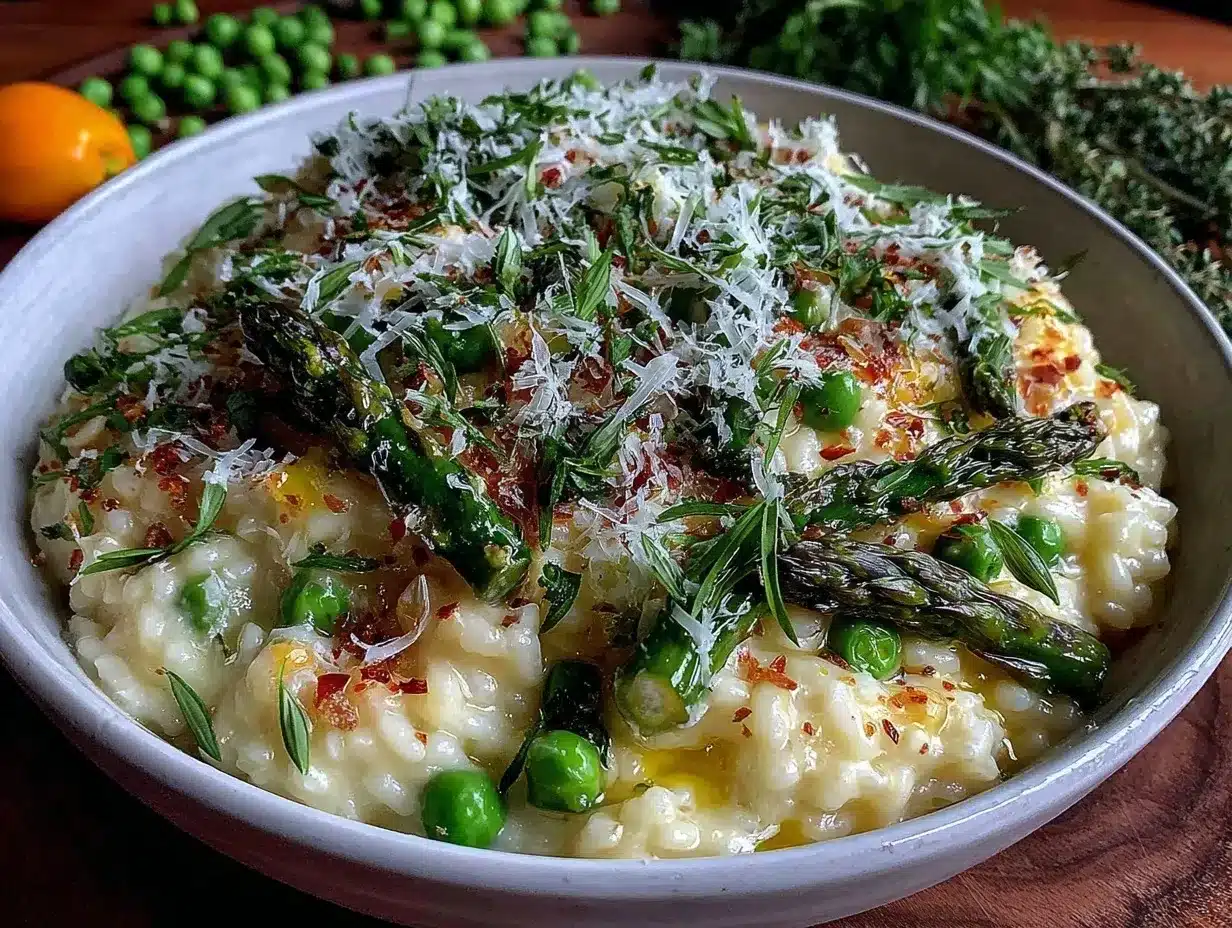
- Warm the broth: Place your vegetable broth in a medium saucepan and keep it at a gentle simmer on low heat. You’ll be adding this hot to the rice, so having it warm is essential to keep the cooking process smooth (about 10 minutes).
- Prep the vegetables: Trim the asparagus ends and cut into 1-inch pieces. If using fresh peas, shell them now. Finely chop the shallots and mince the garlic (about 10 minutes).
- Sauté shallots and garlic: In your large skillet, heat 1 tablespoon of olive oil and 1 tablespoon of butter over medium heat. Add the shallots and cook until translucent, about 3 minutes. Toss in garlic and sauté for another 30 seconds until fragrant (be careful not to burn it).
- Add the rice: Stir in the Arborio rice, coating each grain with the buttery shallot mixture. Toast the rice for 2-3 minutes until it starts to look translucent around the edges but still opaque in the center. This step builds flavor and helps the rice absorb liquids evenly.
- Deglaze with wine (optional): Pour in the white wine and stir until mostly absorbed, about 2 minutes. If skipping wine, proceed to the next step.
- Add broth gradually: Begin adding the warm broth one ladle (about ½ cup / 120 ml) at a time, stirring frequently. Wait until most of the liquid is absorbed before adding more. This slow, patient process takes about 20–25 minutes. The rice will swell and release starch, creating that signature creamy risotto texture.
- Cook asparagus and peas: When the rice is halfway done (after about 10-12 minutes of broth addition), stir in the asparagus pieces. Add the peas during the last 5 minutes of cooking to keep their bright color and sweet bite.
- Finish with butter, cheese, and lemon zest: Once the rice is tender but still has a tiny bite (al dente), remove the pan from heat. Stir in remaining 2 tablespoons butter, parmesan cheese, and lemon zest. Season to taste with salt and pepper. The risotto should be creamy and glossy, not dry or mushy.
- Rest and serve: Let the risotto sit for a minute or two off heat to settle before plating. Garnish with extra parmesan or a sprinkle of fresh herbs if you like.
Note: If the risotto becomes too thick, stir in a splash of warm broth or water to loosen it up. If it’s too runny, cook a bit longer off heat with the pan uncovered to evaporate excess liquid. Trust your senses—the texture and aroma tell you when it’s done.
Cooking Tips & Techniques
Risotto can seem intimidating because of the constant stirring and slow broth addition, but a few tips make it easier and better every time.
- Keep the broth warm: Adding cold broth slows cooking and disrupts the creamy texture. I always keep mine on a low simmer nearby so it’s ready to go.
- Use medium heat: Too high and the rice cooks unevenly; too low and it won’t absorb properly. Medium heat lets the rice cook through while staying creamy.
- Stir, but don’t over-stir: Stirring helps release starch, but vigorous stirring breaks grains and makes the risotto gluey. Gentle, frequent stirs work best.
- Don’t rush broth additions: Pouring all the broth at once leads to mushy rice. Patience is key—even if it feels tedious, it pays off.
- Test the rice often: Start tasting after 18 minutes. You want a tender center with a slight bite (al dente), not mushy or raw.
- Adjust seasoning at the end: Parmesan and broth add salt, so taste before adding extra salt.
Once, I tried to speed things up by adding more broth at once and got a soggy mess—lesson learned! Now I savor the stirring as a mindful cooking moment. Also, if you’re multitasking, set a timer to remind you to stir regularly. That way, you avoid burning the bottom and stay on track. For a little extra creaminess, a splash of cream at the end works, but it’s not necessary.
Variations & Adaptations
This risotto is a great base for lots of tweaks depending on what you have and how you like it.
- Protein boost: Stir in cooked shrimp, grilled chicken, or crispy pancetta for a heartier meal. I often add leftover chicken from my sticky garlic chicken noodles night to make it a complete dinner.
- Vegan version: Use vegetable broth, skip butter, and swap parmesan for nutritional yeast or a vegan cheese alternative. Olive oil can replace butter for richness.
- Seasonal swaps: In summer, fresh peas and asparagus can be swapped for zucchini ribbons or fresh green beans. For fall, try sautéed mushrooms and thyme for an earthier flavor.
- Cheese variations: Instead of parmesan, try pecorino romano for a sharper bite or a mild ricotta stirred in at the end for extra creaminess.
- Herb enhancements: Fresh basil, tarragon, or chives added right before serving bring lovely herbal notes that brighten the dish.
My personal favorite twist is adding a handful of toasted pine nuts on top for crunch and a nutty contrast. It’s a simple touch that makes the dish feel even more elegant and festive.
Serving & Storage Suggestions
This risotto shines best served warm and creamy right off the stove. Plate it with a light drizzle of good olive oil and a sprinkle of extra parmesan or fresh herbs like parsley or chives.
It pairs beautifully with a crisp spring salad or a light grilled protein. For an elegant dinner, I often serve it alongside crispy baked turkey sliders for a contrast in textures or a simple roasted chicken.
Leftovers keep well in the refrigerator for up to 2 days. When reheating, add a splash of broth or water and warm gently on the stove, stirring to restore creaminess. Avoid microwaving without liquid—it dries out the rice and ruins the texture.
Flavors deepen after resting overnight, so sometimes I make it a day ahead for dinner parties. Just warm it up slowly and stir in a bit more liquid to bring back that signature risotto silkiness.
Nutritional Information & Benefits
One serving of this creamy spring pea and asparagus risotto (about 1 ½ cups) contains approximately:
| Calories | 320 kcal |
|---|---|
| Protein | 9 g |
| Carbohydrates | 50 g |
| Fat | 8 g |
| Fiber | 5 g |
The peas and asparagus provide a good dose of fiber, vitamins A and C, and antioxidants that support immune health, especially in spring when fresh greens come back in season. Arborio rice gives you slow-releasing carbohydrates for sustained energy, and parmesan adds calcium and protein.
This dish fits well into vegetarian diets and can be tailored for gluten-free or vegan needs with simple swaps. It’s a balanced meal that feels indulgent without being overly rich, perfect for those who want a nourishing but elegant dinner.
Conclusion
This creamy spring pea and asparagus risotto is the kind of dish I make when I want a little elegance without fuss. It’s approachable, bright, and downright comforting—everything I look for in a spring dinner recipe. The fresh veggies, creamy texture, and subtle lemon brightness keep me coming back, especially when I want to impress without stress.
Feel free to play around with the veggies, herbs, or proteins to make it your own. Cooking this risotto has become one of those small kitchen rituals that brings me joy and calm, even on the busiest days. I hope it finds a place on your table too.
If you try this recipe, I’d love to hear how you like it or what twists you’ve added—drop a comment or share your version. Here’s to simple, delicious meals that bring a little springtime magic to any night.
FAQs About Creamy Spring Pea and Asparagus Risotto
Can I use frozen peas instead of fresh?
Yes, frozen peas work well and can be added straight from the freezer during the last 5 minutes of cooking. They won’t be quite as sweet or bright as fresh, but they still taste great.
What if I don’t have white wine?
No problem! Just skip it and add an extra ½ cup of broth instead. The wine adds subtle acidity and depth, but the risotto will still taste delicious without it.
How do I know when the risotto is done?
Look for tender rice with a slight bite in the center (al dente) and a creamy, slightly loose consistency. Taste frequently from around 18 minutes to get the perfect texture.
Can I make this risotto ahead of time?
You can make it a day ahead, store it covered in the fridge, and gently reheat with a splash of broth. It will thicken when cold, so adding liquid and stirring during reheating brings back the creaminess.
What can I serve with this risotto for a full meal?
It pairs beautifully with simply roasted chicken, grilled shrimp, or a crisp spring salad. For a vegetarian meal, try serving it alongside sautéed mushrooms or a fresh tomato salad.
Pin This Recipe!
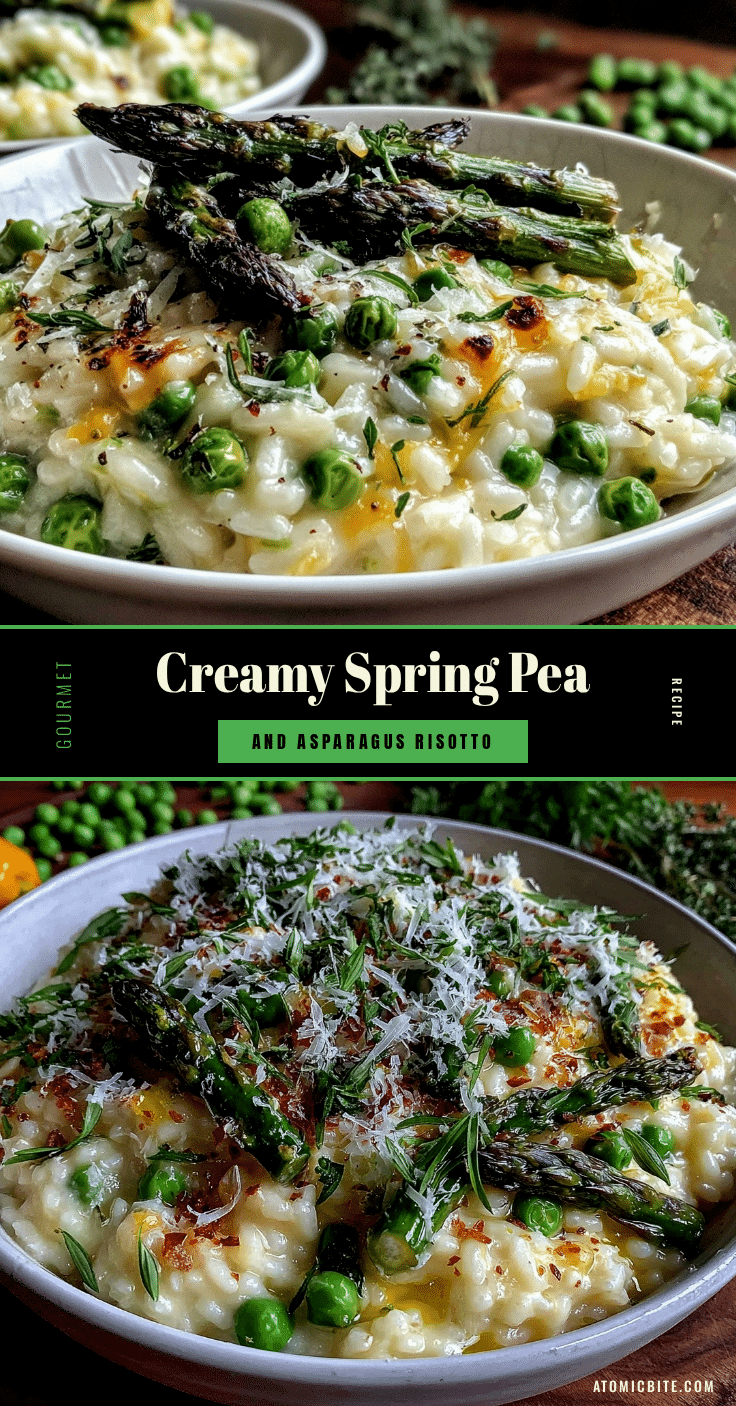
Creamy Spring Pea and Asparagus Risotto

A creamy, elegant risotto featuring fresh spring peas and asparagus, perfect for a quick yet special dinner. This dish balances fresh vegetables with cheesy richness without being heavy.
- Prep Time: 15 minutes
- Cook Time: 35 minutes
- Total Time: 50 minutes
- Yield: 4 servings 1x
- Category: Main Course
- Cuisine: Italian
Ingredients
- 1 ½ cups Arborio rice (300 g)
- About 5 cups vegetable broth (1.2 liters), warm
- 1 bunch fresh asparagus (about 12 oz / 340 g), trimmed and cut into 1-inch pieces
- 1 cup fresh or frozen peas (150 g)
- 2 medium shallots, finely chopped
- 2 cloves garlic, minced
- ½ cup dry white wine (120 ml, optional)
- 3 tablespoons unsalted butter (45 g)
- ¾ cup freshly grated Parmesan cheese (75 g)
- Zest of 1 lemon
- 2 tablespoons olive oil
- Salt and freshly ground black pepper, to taste
Instructions
- Warm the vegetable broth in a medium saucepan and keep it at a gentle simmer on low heat (about 10 minutes).
- Trim the asparagus ends and cut into 1-inch pieces. Shell fresh peas if using. Finely chop shallots and mince garlic (about 10 minutes prep).
- In a large skillet, heat 1 tablespoon olive oil and 1 tablespoon butter over medium heat. Add shallots and cook until translucent, about 3 minutes. Add garlic and sauté for 30 seconds until fragrant, being careful not to burn.
- Stir in Arborio rice, coating each grain with the buttery shallot mixture. Toast the rice for 2-3 minutes until edges look translucent but center remains opaque.
- Pour in white wine (if using) and stir until mostly absorbed, about 2 minutes. If skipping wine, proceed to next step.
- Add warm broth gradually, one ladle (about ½ cup / 120 ml) at a time, stirring frequently. Wait until most liquid is absorbed before adding more. Continue for 20–25 minutes until rice is creamy and tender.
- When rice is halfway cooked (after about 10-12 minutes of broth addition), stir in asparagus pieces.
- Add peas during the last 5 minutes of cooking to maintain their bright color and sweet bite.
- Once rice is al dente and creamy, remove from heat. Stir in remaining 2 tablespoons butter, Parmesan cheese, and lemon zest. Season with salt and pepper to taste.
- Let risotto rest off heat for 1-2 minutes before serving. Garnish with extra Parmesan or fresh herbs if desired.
Notes
Keep broth warm to maintain creamy texture. Stir gently and frequently but avoid over-stirring to prevent gluey risotto. Add broth slowly and patiently for best results. If risotto is too thick, stir in warm broth or water to loosen. For dairy-free, substitute butter with olive oil and Parmesan with vegan cheese or nutritional yeast. Lemon zest adds a fresh zing at the end.
Nutrition
- Serving Size: About 1 ½ cups per s
- Calories: 320
- Fat: 8
- Carbohydrates: 50
- Fiber: 5
- Protein: 9
Keywords: risotto, spring peas, asparagus, creamy risotto, vegetarian, easy dinner, Arborio rice, spring vegetables