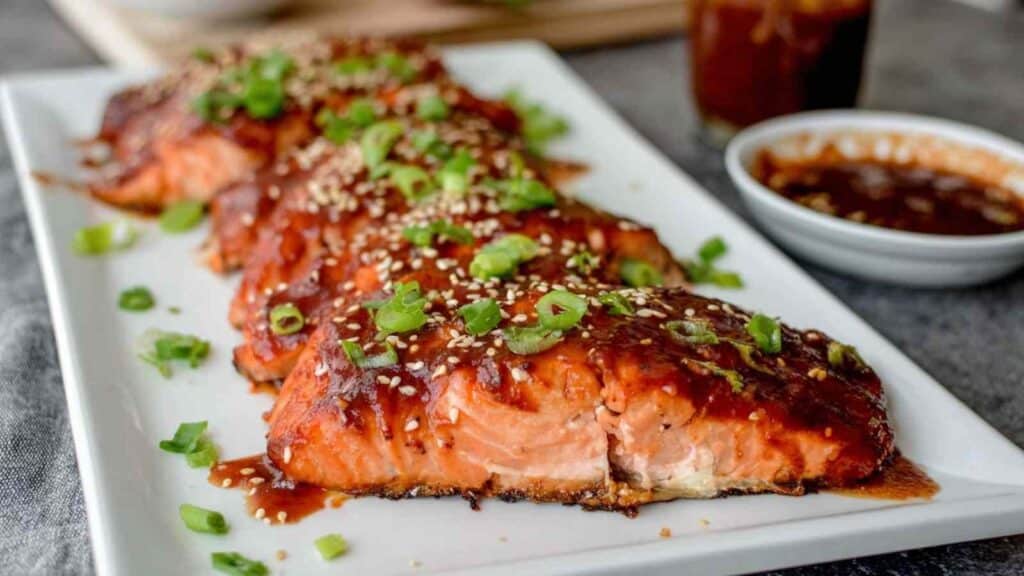
“You’ve got to try this glaze,” my friend texted me one evening, almost demanding. I was skeptical—gochujang? On salmon? Honestly, I’d always seen that fiery Korean chili paste relegated to spicy noodles or bibimbap bowls, not my weeknight fish dinner. But curiosity got the better of me when I found a few fillets lingering in the fridge, and I figured, why not? The first bite was a revelation—the kick of the gochujang balanced perfectly by a honeyed, sticky sweetness that clung to the tender salmon like a warm hug. It was actually quite unexpected, that blend of spicy and sweet making the whole kitchen smell like a cozy little street food stall. That glaze has since become my go-to quick fix for dinner, especially when I want something that feels special but doesn’t demand hours in the kitchen. It’s funny how a casual text and a little bit of experimentation can turn into a recipe you find yourself making multiple times a week, each time with that same satisfying “wow” moment. This gochujang salmon with spicy-sweet glaze isn’t just dinner—it’s the kind of dish that sticks with you, the kind that makes you pause and savor something simple but unforgettable.
Why You’ll Love This Recipe
This flavorful gochujang salmon recipe has quickly become a favorite in my kitchen for many reasons. Honestly, it hits that sweet spot between bold and approachable, and if you’re a fan of spicy-sweet glaze combos, this one delivers every time. Here’s what sets it apart:
- Quick & Easy: Ready in under 30 minutes, making it perfect for busy weeknights or last-minute dinner plans.
- Simple Ingredients: No need for exotic shopping trips—most ingredients are pantry staples or easy to find at any grocery store.
- Perfect for Casual Dinners: Whether it’s a regular Tuesday or a relaxed weekend meal, this salmon feels like a treat without the fuss.
- Crowd-Pleaser: The glaze’s balance of spicy heat and sweetness always gets nods from both kids and adults.
- Unique Flavor Profile: Unlike typical baked salmon recipes, the gochujang glaze adds that irresistible umami punch, making it stand out.
What I love most is how this recipe isn’t just another salmon dish—you get that addictive sticky glaze that perfectly clings to the fish, with just enough heat to keep things interesting but never overwhelming. It’s a bit like turning your kitchen into a Korean street market, minus the crowds and noise. Plus, it pairs beautifully with simple sides, making me think of when I first paired it with buttery rice—kind of like how the sticky garlic chicken noodles bring comfort but with an edge. This recipe promises not just a meal, but a small moment of joy in your day.
What Ingredients You Will Need
This gochujang salmon recipe uses straightforward, wholesome ingredients to deliver bold flavor and a perfectly sticky glaze without fuss. Most of these are pantry basics, so it’s a cinch to whip up anytime you crave something punchy and satisfying.
- Salmon Fillets: Skin-on, about 6 ounces (170 g) each—skin helps keep the fish moist and adds a nice texture when crisped.
- Gochujang (Korean chili paste): 2 tablespoons—this is the star ingredient; I prefer Chung Jung One brand for its perfect balance of heat and sweetness.
- Soy Sauce: 2 tablespoons—adds savory depth; low sodium works well here to keep things balanced.
- Honey: 2 tablespoons—a natural sweetener that balances the spice and caramelizes beautifully during cooking.
- Rice Vinegar: 1 tablespoon—brightens the glaze with a subtle tang.
- Garlic: 2 cloves, minced—adds aromatic warmth.
- Sesame Oil: 1 teaspoon—just a touch for nuttiness.
- Fresh Ginger: 1 teaspoon, grated (optional)—for a zesty kick that complements the glaze.
- Green Onions: 2 stalks, thinly sliced—for garnish and fresh bite.
- Sesame Seeds: 1 teaspoon, toasted—for garnish and a little crunch.
If you can’t find gochujang nearby, you can substitute with a mix of miso paste and chili paste, but I highly recommend hunting down the real thing—it really makes the flavor pop. For those who want a gluten-free version, opt for tamari instead of soy sauce, and you’re good to go. When I’m feeling extra, swapping regular honey for a drizzle of maple syrup adds a lovely earthy note that’s worth trying.
Equipment Needed
- Non-stick skillet or cast iron pan: Ideal for getting a nice sear on the salmon without sticking.
- Small mixing bowl: For whisking the glaze ingredients together.
- Measuring spoons and cups: To keep proportions spot on.
- Fish spatula: Makes flipping the salmon easier and safer, but a regular spatula works too.
- Sharp knife and cutting board: For prepping garlic, ginger, and green onions.
I’ve tried this recipe with both my cast iron skillet and a heavy-bottomed non-stick pan; both work well, but cast iron gives a slightly better crust on the skin. If your pan isn’t non-stick, just make sure to heat it properly and add a little oil before cooking to avoid sticking. For budget-friendly options, a sturdy stainless steel pan works fine—you just have to be a bit more careful flipping the fish.
Preparation Method
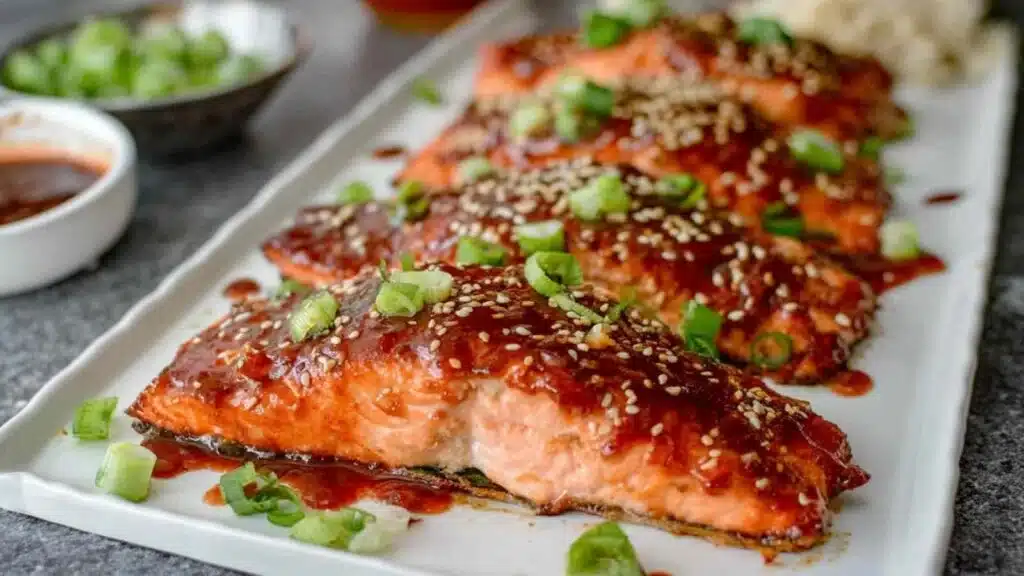
- Prepare the glaze: In a small bowl, whisk together 2 tablespoons gochujang, 2 tablespoons soy sauce, 2 tablespoons honey, 1 tablespoon rice vinegar, minced garlic, grated ginger (if using), and 1 teaspoon sesame oil until smooth. Set aside. (Takes about 5 minutes)
- Prep the salmon: Pat the salmon fillets dry with paper towels—this helps the skin crisp up nicely. Lightly season both sides with a pinch of salt and pepper. (2 minutes)
- Heat the pan: Place a non-stick or cast iron skillet over medium-high heat. Add a teaspoon of oil and let it heat until shimmering but not smoking. (3 minutes)
- Sear the salmon: Place fillets skin-side down in the hot pan. Press gently with a spatula for 10 seconds to prevent curling. Cook for about 4-5 minutes without moving, until the skin is crisp and the fish is cooked about two-thirds through. (5 minutes)
- Flip and glaze: Carefully flip the salmon. Immediately spoon the gochujang glaze over the top of each fillet. Let cook for another 2-3 minutes, spooning more glaze on as it thickens and caramelizes. The salmon should be opaque and flake easily with a fork. (5 minutes)
- Finish and garnish: Remove from heat. Sprinkle with sliced green onions and toasted sesame seeds. Let rest for 2 minutes before serving—this helps the flavors settle. (2 minutes)
Pro tip: If the glaze starts to burn, lower the heat slightly and add a splash of water to loosen it up. The salmon is done when it flakes easily but still feels moist inside—you don’t want it dry. When I first made this, I got a little overzealous with the heat and ended up with burnt glaze, so slow and steady wins here.
Cooking Tips & Techniques
Getting that perfect balance of sticky, spicy, and sweet glaze on salmon can feel tricky, but a few techniques make it foolproof. First, drying the salmon thoroughly before cooking is crucial. Wet fish steams instead of sears, and you won’t get that crave-worthy crisp skin. Pressing the fillets gently when you lay them in the pan helps keep the skin flat, so it cooks evenly.
When glazing, don’t rush the caramelization. Let the sauce bubble gently and thicken, spooning it over the salmon to build up layers of flavor and that beautiful sticky finish. Keep your heat moderate—too high and the sugars in honey and gochujang burn fast. I learned this the hard way when I first tried this recipe and ended up with a smoky kitchen and bitter glaze. Patience is key.
Multitasking here can save time: while the salmon cooks, you can toss a quick salad or steam some rice. I often pair this with a simple cucumber salad to cut through the richness. If you want to keep things consistent, weigh your salmon fillets so they cook evenly and finish around the same time.
Variations & Adaptations
This recipe is pretty flexible, and I’ve enjoyed switching it up depending on the mood or dietary needs. Here are a few ways to make it your own:
- Spicy Level: Add a teaspoon of sriracha to the glaze for an extra kick, or swap honey for brown sugar if you prefer a deeper sweetness.
- Asian-Inspired Twist: Substitute salmon with firm white fish like cod or halibut for a lighter option while keeping the glaze the same.
- Gluten-Free: Use tamari or coconut aminos in place of soy sauce. The flavor stays just as rich, and it’s safe for gluten-sensitive eaters.
- Oven-Baked Version: For less hands-on time, bake salmon at 400°F (200°C) for 12-15 minutes with the glaze spooned on halfway through cooking.
- Personal Favorite: I once tossed in a splash of orange juice to the glaze for a citrusy note that played beautifully with the spicy-sweet flavors—it’s worth trying if you like a fruity twist.
Serving & Storage Suggestions
Serve this gochujang salmon hot, straight from the pan, with a side of steamed jasmine rice or sticky rice to soak up that luscious glaze. I like to add a crisp cucumber salad or sautéed greens to balance the richness. Garnish with extra green onions and toasted sesame seeds for a fresh crunch and nutty flavor.
If you have leftovers (which don’t last long in my house), store the salmon in an airtight container in the fridge for up to 2 days. Reheat gently in a low oven or microwave, covered, to avoid drying out the fish. Flavors tend to intensify after resting overnight, making it a delicious next-day meal perfect for packed lunches or quick dinners.
Nutritional Information & Benefits
This salmon dish packs a nutritional punch, combining the benefits of omega-3-rich salmon with the antioxidant properties of gochujang and garlic. Each 6-ounce (170 g) serving provides approximately 350-400 calories, 30 grams of protein, and healthy fats that support heart and brain health.
The gochujang adds not only bold flavor but also fermentation benefits, aiding digestion, while garlic and ginger contribute anti-inflammatory compounds. This recipe is naturally gluten-free (with tamari substitution) and low in carbs, making it suitable for many dietary preferences. Just watch the sodium if you’re monitoring salt intake.
Conclusion
This flavorful gochujang salmon with spicy-sweet glaze has earned its spot in my dinner rotation because it’s quick, satisfying, and packed with layers of flavor that surprise every time. It’s a recipe you can tweak and trust to deliver a bold but balanced meal without complicated steps or odd ingredients. I love how it turns simple salmon into something memorable, whether for a solo late-night bite or an easy family dinner.
Feel free to make it your own—experiment with the glaze, sides, or cooking method—and let it become your signature spicy-sweet dish. If you’ve enjoyed recipes like the crispy baked turkey sliders or the hobo casserole, you’ll find this salmon fits right in with those comforting, no-fuss meals that bring everyone back for seconds. Give it a go, and don’t be shy about sharing your tweaks or questions—I’m always eager to hear how you make this recipe yours.
FAQs About Flavorful Gochujang Salmon
Can I use frozen salmon for this recipe?
Yes! Just thaw it completely and pat it dry before cooking to get that nice sear and crisp skin.
How spicy is the gochujang glaze?
Gochujang has moderate heat with a slightly sweet undertone. If you prefer milder flavors, use less gochujang or balance it with extra honey.
Can I prepare the glaze in advance?
Absolutely. The glaze keeps well in the fridge for up to a week. Just give it a stir before using.
What sides pair well with this salmon?
Steamed rice, sautéed greens, cucumber salads, or even simple noodles work beautifully alongside this dish.
Is this recipe suitable for meal prep?
Yes, it reheats well and makes a flavorful lunch or dinner option for several days after cooking.
Pin This Recipe!
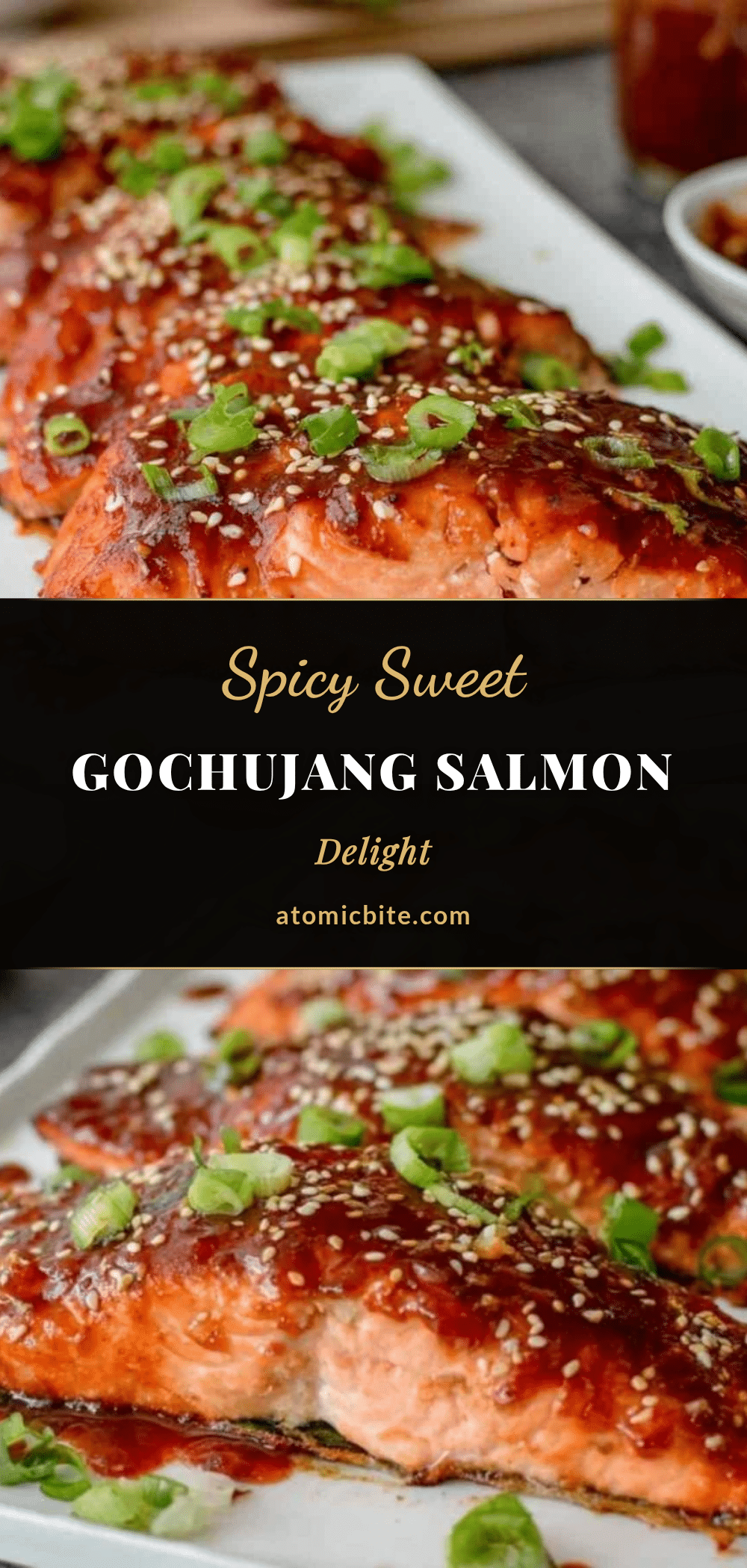
Flavorful Gochujang Salmon Recipe Perfect for Spicy Sweet Glaze Fans

This gochujang salmon recipe features a spicy-sweet glaze that perfectly balances bold flavors with a sticky, caramelized finish. Ready in under 30 minutes, it’s ideal for quick, satisfying weeknight dinners.
- Prep Time: 7 minutes
- Cook Time: 15 minutes
- Total Time: 22 minutes
- Yield: 4 servings 1x
- Category: Main Course
- Cuisine: Korean-inspired
Ingredients
- 4 salmon fillets, skin-on, about 6 ounces each
- 2 tablespoons gochujang (Korean chili paste)
- 2 tablespoons soy sauce (low sodium recommended)
- 2 tablespoons honey
- 1 tablespoon rice vinegar
- 2 cloves garlic, minced
- 1 teaspoon sesame oil
- 1 teaspoon fresh ginger, grated (optional)
- 2 green onions, thinly sliced
- 1 teaspoon toasted sesame seeds
Instructions
- In a small bowl, whisk together gochujang, soy sauce, honey, rice vinegar, minced garlic, grated ginger (if using), and sesame oil until smooth. Set aside.
- Pat the salmon fillets dry with paper towels. Lightly season both sides with salt and pepper.
- Heat a non-stick or cast iron skillet over medium-high heat. Add 1 teaspoon of oil and heat until shimmering but not smoking.
- Place salmon fillets skin-side down in the hot pan. Press gently with a spatula for 10 seconds to prevent curling. Cook for 4-5 minutes without moving until the skin is crisp and the fish is cooked about two-thirds through.
- Carefully flip the salmon. Immediately spoon the gochujang glaze over the top of each fillet. Cook for another 2-3 minutes, spooning more glaze on as it thickens and caramelizes. The salmon should be opaque and flake easily with a fork.
- Remove from heat. Sprinkle with sliced green onions and toasted sesame seeds. Let rest for 2 minutes before serving.
Notes
If the glaze starts to burn, lower the heat and add a splash of water to loosen it. Dry salmon thoroughly before cooking to get a crisp skin. Use tamari instead of soy sauce for gluten-free. For extra heat, add sriracha to the glaze. Oven-bake option: bake at 400°F for 12-15 minutes, spooning glaze halfway through.
Nutrition
- Serving Size: 1 salmon fillet (6 o
- Calories: 375
- Sugar: 10
- Sodium: 550
- Fat: 22
- Saturated Fat: 4
- Carbohydrates: 12
- Fiber: 1
- Protein: 30
Keywords: gochujang salmon, spicy salmon glaze, Korean salmon recipe, quick salmon dinner, sweet and spicy salmon