That evening still sticks with me—kitchen warm with the hum of the oven, the air thick with the scent of roasting herbs and sizzling meat. I had promised my in-laws a memorable dinner but honestly, was a bit skeptical about tackling a prime rib roast for the first time. It wasn’t just any roast; it was supposed to be the perfect prime rib roast with herb-crusted juicy slices. I’d seen those fancy dinner spreads on cooking shows, but here I was, fingers crossed, hoping this wouldn’t be a dry, tough disaster.
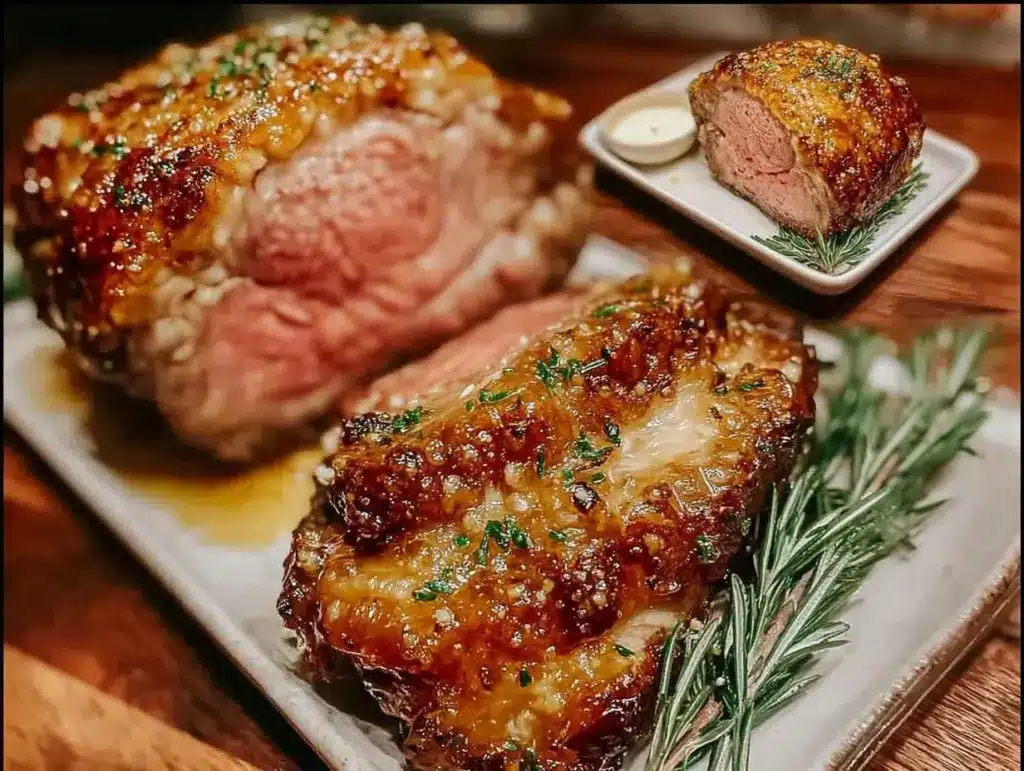
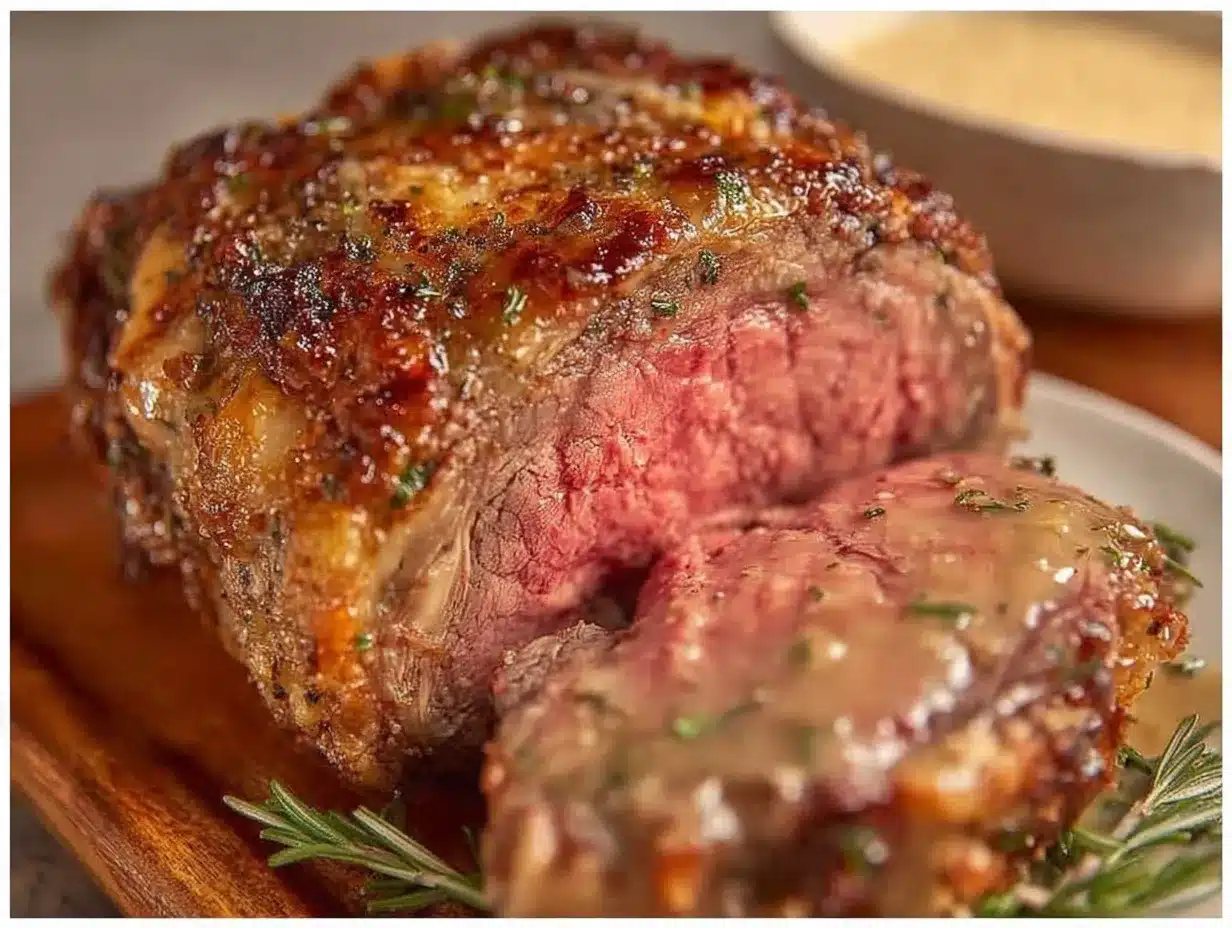
As the roast came out, crust golden and fragrant, I couldn’t help but notice the juices pooling gently beneath it. Slicing into that herb-crusted beauty, revealing tender, rosy slices, felt like a quiet triumph—no stress, no fuss, just pure, rich flavor. What surprised me most was how approachable the entire process was; I figured it had to be complicated, but honestly, it’s straightforward once you know a few tricks.
Since that night, this recipe has become my go-to for celebrations and even those “just because” dinners. There’s something about the way the herb crust locks in the succulent juices that keeps me coming back. It’s not about impressing anyone with technique but about sharing something comforting and indulgent that tastes like a meal made with care. That’s why this recipe stuck—it’s reliable, effortless in its own way, and always delivers juicy, flavorful slices that almost feel like a reward after a long day.
Why You’ll Love This Recipe
- Simple Preparation: Despite its fancy reputation, this prime rib roast comes together with minimal fuss—perfect if you want to impress without the stress.
- Herb-Crusted Flavor: The fresh herb mix creates a flavorful crust that seals in the juicy tenderness of the meat, making each slice a burst of savory goodness.
- Perfect for Special Occasions: Whether it’s a holiday feast, family gathering, or a cozy weekend dinner, this recipe fits right in.
- Consistently Juicy: The method locks in moisture, so you avoid the dreaded dry roast, even if you’re a bit unsure about cooking times.
- Crowd-Pleasing: It’s rare to find a roast that gets rave reviews from both meat lovers and more casual eaters—this one does.
- Accessible Ingredients: You don’t have to hunt down exotic spices—simple herbs and pantry staples are all you need.
What makes this recipe stand out? It’s the balance of flavors and texture—the herb crust isn’t just for show; it’s the secret to juicy, tender slices that literally melt in your mouth. I’ve tweaked roasting times and herb combinations a few times, and this version nails it every time. Honestly, it’s like comfort food with a bit of a fancy twist, and it’s the kind of recipe you’ll want to make again and again because it just feels right.
What Ingredients You Will Need
This recipe uses straightforward, quality ingredients that come together to create that unforgettable herb crust and juicy roast. Most of these are likely already in your kitchen, making this roast not just delicious but convenient.
- Prime Rib Roast: 4-5 pounds (1.8-2.3 kg) standing rib roast, bone-in preferred for flavor and moisture. Look for well-marbled meat from a trusted butcher for best results.
- Fresh Herbs: 2 tablespoons each of rosemary, thyme, and parsley, finely chopped. These herbs provide an aromatic and savory crust.
- Garlic: 4 large cloves, minced. Garlic brings that classic roast flavor and depth.
- Olive Oil: 3 tablespoons, extra virgin for richness and to help herbs stick.
- Salt: 1 tablespoon kosher salt (coarse sea salt works too), essential for seasoning and creating that crust.
- Black Pepper: 2 teaspoons freshly ground, to taste.
- Dijon Mustard: 2 tablespoons, to add a subtle tang and help the herb crust adhere.
- Optional: 1 teaspoon smoked paprika for a slight smoky note, if you want a bit of a twist.
When selecting your prime rib, I recommend choosing a roast with good marbling, as the fat is crucial for juiciness. If you’re after a grass-fed option, expect a slightly leaner roast but equally tasty. For herbs, fresh is best, but if you only have dried, use about one-third of the amount and adjust to taste. This recipe is quite forgiving with substitutions—if you don’t have Dijon mustard, a bit of whole grain mustard or even horseradish can work well.
Equipment Needed
- Roasting Pan with Rack: Essential for even cooking and to keep the roast elevated, allowing air circulation all around.
- Meat Thermometer: A must-have for checking doneness without slicing into the roast (I personally use a digital instant-read thermometer for accuracy).
- Sharp Carving Knife: For slicing thin, juicy pieces once the roast rests.
- Mixing Bowl: To combine herbs, garlic, and oil for the crust.
- Basting Brush or Spoon: Helpful for spreading the mustard and herb mixture evenly.
If you don’t have a roasting rack, you can improvise by placing the roast on a bed of thickly sliced onions or carrots—this lifts it slightly and adds subtle flavor. Also, keeping your thermometer calibrated (or using a trusted kitchen gadget) is key to avoiding overcooked meat. For budget-friendly options, many kitchen supply stores offer reliable meat thermometers under $20 that work perfectly for this recipe.
Preparation Method
- Bring the Roast to Room Temperature (30-45 minutes): Remove the prime rib from the fridge and let it sit uncovered on the counter. This step ensures even cooking—cold meat straight from the fridge tends to cook unevenly.
- Preheat the Oven to 450°F (232°C): A high initial temperature helps create a beautifully seared crust.
- Prepare the Herb Crust: In a mixing bowl, combine chopped rosemary, thyme, parsley, minced garlic, kosher salt, black pepper, and smoked paprika if using. Stir in olive oil and Dijon mustard until it forms a paste.
- Pat the Roast Dry: Use paper towels to remove any surface moisture—this is crucial for a good crust.
- Apply the Herb Mixture: Rub the entire roast generously with the herb paste, pressing it into the meat to adhere well. Don’t be shy—this is where flavor builds.
- Place Roast on Rack in Roasting Pan: Position the roast fat side up so the fat renders down into the meat during roasting.
- Roast at 450°F (232°C) for 15 minutes: This high heat jump-starts the crust formation.
- Reduce Oven Temperature to 325°F (163°C): Continue roasting for about 13-15 minutes per pound for medium-rare (an internal temperature of 130-135°F / 54-57°C). Use your meat thermometer here for precision.
- Rest the Roast for 20-30 minutes: Once cooked, remove from oven and tent loosely with foil. Resting allows juices to redistribute, ensuring juicy slices.
- Carve and Serve: Slice against the grain into ½-inch (1.3 cm) thick pieces. The herb crust should be crisp and flavorful, with tender, rosy meat inside.
If your roast starts to brown too fast, loosely cover it with foil during the lower-temperature phase. Also, keep an eye on the thermometer’s reading rather than relying solely on time; ovens can vary. When rubbing the herb paste, I like to wear disposable gloves—it keeps my hands from smelling like garlic for days!
Cooking Tips & Techniques
- Always Use a Meat Thermometer: Guessing doneness can lead to a dry roast or undercooked meat. The thermometer takes the guesswork out.
- Don’t Skip the Resting: It might be tempting to slice right away, but resting is non-negotiable for juicy prime rib.
- Patience with the Crust: The herb crust forms best with a dry surface and high initial oven temperature—avoid opening the oven door frequently.
- Seasoning Isn’t Just Salt and Pepper: The garlic and fresh herbs make all the difference, so don’t skimp on these.
- Leftover Tips: Slice leftover roast thinly and reheat gently to avoid drying it out—short bursts in a warm pan or oven work well.
When I first tried this recipe, I rushed the resting time and ended up with juices running everywhere as I carved. Lesson learned: patience really pays off. Also, if you find your herb crust isn’t sticking well, a light coat of Dijon mustard under the herbs is magic—it acts like glue and adds subtle tang. Lastly, timing is key; try to start roasting early enough so you can enjoy the resting period without feeling rushed.
Variations & Adaptations
- Gluten-Free Option: This recipe is naturally gluten-free, just double-check your mustard and spices for any hidden gluten.
- Spicy Herb Crust: Add crushed red pepper flakes or a dash of cayenne to the herb mixture for a bit of heat.
- Garlic Butter Crust: Swap olive oil for softened garlic butter mixed with herbs for an even richer crust.
- Slow-Roasted Version: For a more hands-off approach, roast at 225°F (107°C) for 3-4 hours, then finish with a 15-minute high-heat sear at 500°F (260°C) to crisp up the crust.
- Herb Variations: Try tarragon or sage in the mix for a different aromatic profile.
Personally, I once tried mixing in a teaspoon of mustard powder with the herbs for a sharper bite—it was surprisingly good and became a family favorite. If you’re looking to adapt for a smaller crowd, simply scale down the roast and adjust cooking times accordingly (about 15 minutes per pound remains a good guideline).
Serving & Storage Suggestions
Serve your prime rib roast warm or at room temperature to truly savor the herb-crusted flavor and juicy texture. It pairs beautifully with classic sides like roasted garlic mashed potatoes, sautéed green beans, or a fresh arugula salad dressed lightly with lemon vinaigrette.
For beverages, a robust red wine such as Cabernet Sauvignon or Malbec complements the richness of the meat perfectly. If you prefer beer, a malty brown ale works nicely.
To store leftovers, wrap slices tightly in foil or place in an airtight container and refrigerate for up to 3 days. The flavors often deepen after a day, making cold or gently reheated slices a real treat. Reheat slowly in a low oven (about 250°F / 120°C) covered with foil, or warm slices briefly in a skillet with a splash of broth to keep moist.
Nutritional Information & Benefits
This prime rib roast offers a hearty source of protein and essential nutrients like iron, zinc, and B vitamins, important for energy and overall wellness. The fresh herbs contribute antioxidants and anti-inflammatory compounds, adding nutritional value beyond flavor.
Because prime rib is a fattier cut, it’s best enjoyed in moderation as part of a balanced diet. The recipe is naturally gluten-free and can easily fit into low-carb meal plans. For those mindful of sodium, adjust the salt amount to taste without sacrificing herb flavor.
From my perspective, this roast is a reminder that indulgence and nourishment can coexist—a special meal that feeds both body and soul without complications.
Conclusion
This perfect prime rib roast with herb-crusted juicy slices isn’t just a recipe; it’s a reliable way to bring a little celebration to your dinner table. Simple ingredients, straightforward steps, and that unforgettable herb crust combine to make each slice a juicy, flavorful experience. I love how it balances rustic comfort with a touch of elegance without fuss or stress.
Feel free to tweak the herbs or seasoning to suit your tastes. Whether you’re tackling this for a holiday feast or a cozy weekend treat, it’s a dish that invites sharing and savoring. I’d love to hear how your roast turns out or what variations you try—there’s always room to make this recipe your own.
So go ahead, carve out some time, and enjoy the process (and the result!). Here’s to juicy slices and herb-crusted memories worth making.
FAQs
How do I know when my prime rib roast is perfectly cooked?
Use a meat thermometer to check the internal temperature. For medium-rare, aim for 130-135°F (54-57°C). Remember the roast will continue to cook slightly as it rests.
Can I prepare the herb crust ahead of time?
Yes, you can mix the herb paste a day before and store it covered in the fridge. Bring it to room temperature before applying to the roast.
Is bone-in prime rib better than boneless for this recipe?
Bone-in roasts tend to be juicier and have more flavor, but boneless works fine if that’s what you have. Cooking times might vary slightly.
What’s the best way to reheat leftover prime rib slices?
Gently reheat in a low oven (around 250°F / 120°C) wrapped in foil, or warm quickly in a skillet with a bit of broth to keep meat moist.
Can I use dried herbs instead of fresh for the crust?
You can, but use about one-third the amount since dried herbs are more concentrated. Fresh herbs provide the best aroma and texture for the crust.
Pin This Recipe!
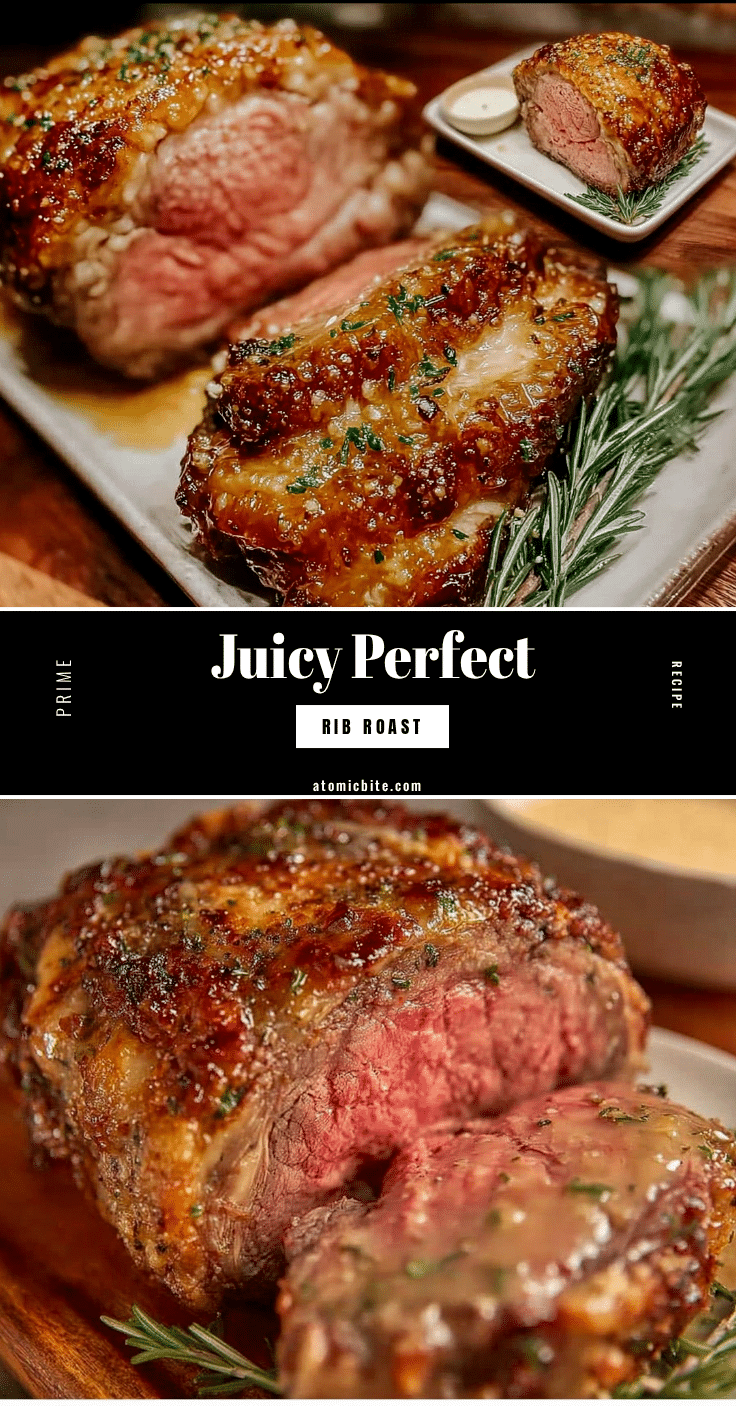
Perfect Prime Rib Roast Recipe Easy Herb-Crusted Juicy Slices Guide

A straightforward and reliable recipe for a juicy, herb-crusted prime rib roast that delivers tender, flavorful slices perfect for special occasions or cozy dinners.
- Prep Time: 15 minutes
- Cook Time: 1 hour 15 minutes
- Total Time: 1 hour 30 minutes
- Yield: 8 servings 1x
- Category: Main Course
- Cuisine: American
Ingredients
- 4–5 pounds standing rib roast, bone-in preferred
- 2 tablespoons fresh rosemary, finely chopped
- 2 tablespoons fresh thyme, finely chopped
- 2 tablespoons fresh parsley, finely chopped
- 4 large garlic cloves, minced
- 3 tablespoons extra virgin olive oil
- 1 tablespoon kosher salt
- 2 teaspoons freshly ground black pepper
- 2 tablespoons Dijon mustard
- 1 teaspoon smoked paprika (optional)
Instructions
- Remove the prime rib from the fridge and let it sit uncovered on the counter for 30-45 minutes to reach room temperature.
- Preheat the oven to 450°F (232°C).
- In a mixing bowl, combine rosemary, thyme, parsley, minced garlic, kosher salt, black pepper, and smoked paprika if using. Stir in olive oil and Dijon mustard until it forms a paste.
- Pat the roast dry with paper towels to remove surface moisture.
- Rub the entire roast generously with the herb paste, pressing it into the meat to adhere well.
- Place the roast fat side up on a rack in a roasting pan.
- Roast at 450°F (232°C) for 15 minutes to create a seared crust.
- Reduce oven temperature to 325°F (163°C) and continue roasting about 13-15 minutes per pound for medium-rare (internal temperature 130-135°F / 54-57°C). Use a meat thermometer for accuracy.
- Remove the roast from the oven and tent loosely with foil. Rest for 20-30 minutes to allow juices to redistribute.
- Carve against the grain into ½-inch thick slices and serve.
Notes
Use a meat thermometer to ensure perfect doneness. Resting the roast is essential for juicy slices. If the roast browns too quickly, loosely cover with foil during the lower temperature phase. Fresh herbs are preferred but dried can be used at one-third the amount. Dijon mustard helps the herb crust adhere and adds flavor.
Nutrition
- Serving Size: 1 slice (about 6 oz)
- Calories: 650
- Sugar: 0.5
- Sodium: 900
- Fat: 50
- Saturated Fat: 20
- Carbohydrates: 2
- Fiber: 0.5
- Protein: 45
Keywords: prime rib roast, herb crust, juicy roast, holiday roast, easy prime rib, bone-in rib roast, garlic herb roast