Introduction
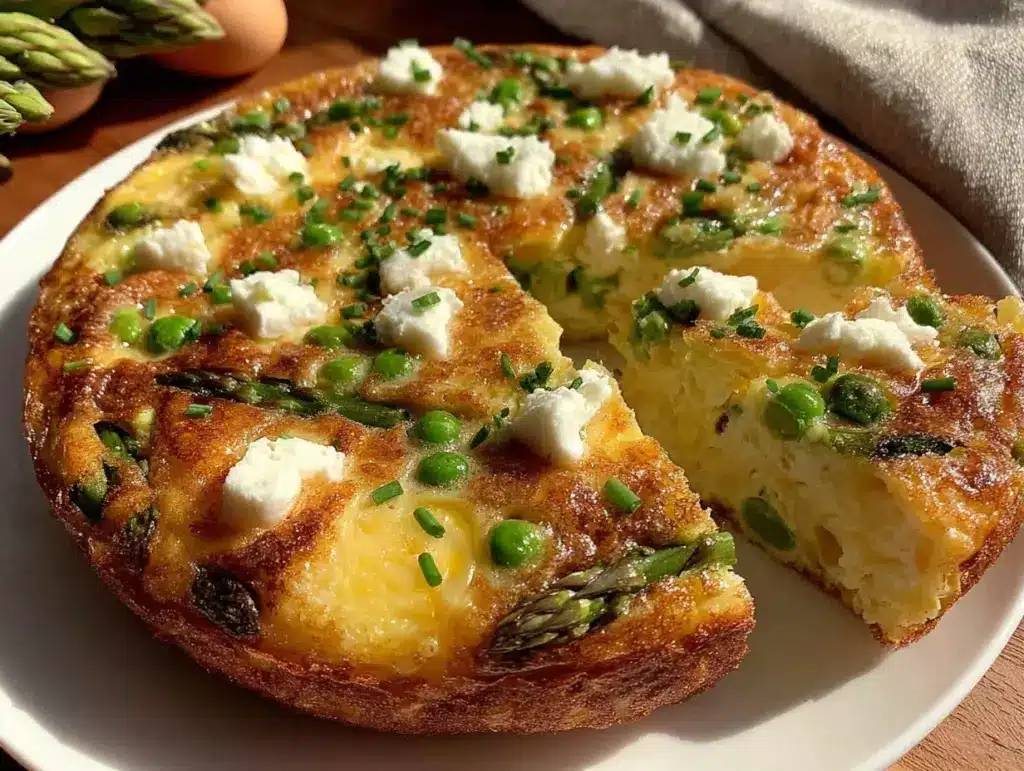
On a quiet Saturday morning, the kitchen smelled like a garden just after a spring rain. I was half-awake, flicking through the fridge, hoping to find something that felt like a fresh start to the weekend. Truth be told, I wasn’t in the mood for anything complicated—just something honest and simple. That’s when I spotted the last bunch of fresh herbs from the farmer’s market and a soft log of goat cheese peeking from the back shelf. Without much thought, I tossed together a few leftover spring vegetables and whipped up what I now call my favorite springtime breakfast: a fresh spring vegetable frittata with goat cheese and herbs.
It didn’t start as a grand plan, honestly. I was skeptical that a few vegetables and some cheese could come together into something memorable. But as the eggs puffed up and the herbs released their aroma, I realized this wasn’t just breakfast—it was a quiet little celebration of spring’s best flavors. Ever since, this frittata has become my go-to for mornings when I want something light, bright, and just a little bit fancy without fuss.
What stuck with me was how the tangy goat cheese paired perfectly with the freshness of the herbs and the earthiness of the veggies. This isn’t just a recipe to fill you up; it’s the kind of dish that makes you pause and savor the simple joys in the kitchen. So here’s the story of how this easy homemade frittata found its way into my regular rotation—and why it might just do the same for you.
Why You’ll Love This Recipe
Having tested this fresh spring vegetable frittata with goat cheese and herbs multiple times (sometimes twice in a week, no joke), I can confidently say it ticks all the boxes for a fuss-free, flavorful meal. Here’s why it’s worth making at least once (or more) this season:
- Quick & Easy: Ready in under 30 minutes, this recipe fits perfectly into busy weekend mornings or lazy brunches.
- Simple Ingredients: No need for exotic or hard-to-find items—just fresh spring veggies, eggs, creamy goat cheese, and herbs you probably have on hand.
- Perfect for Spring: It celebrates seasonal produce like asparagus and peas, making it a bright, vibrant dish ideal for this time of year.
- Crowd-Pleaser: Whether you’re feeding family or hosting friends, this frittata disappears fast and leaves everyone asking for seconds.
- Unbelievably Delicious: The creamy goat cheese melts into the eggs, while fresh herbs add a fragrant lift that’s hard to beat.
This recipe stands out because of how the goat cheese is gently folded in, creating pockets of creamy richness rather than just mixing it in. Plus, finishing the frittata under the broiler gives it a golden, slightly crispy top that’s pure heaven. Honestly, it’s a fresh take on comfort food that feels both light and satisfying—no heavy cream or complicated steps required.
It’s the kind of dish you make when you want to impress without stress, or just treat yourself to a lovely, homemade start to the day.
What Ingredients You Will Need
This fresh spring vegetable frittata uses simple, wholesome ingredients to deliver bold flavor and a satisfying texture without much fuss. Most are pantry staples or seasonal finds, and you can easily swap a few without losing the essence of the dish.
- Eggs (8 large, room temperature): The base, providing structure and richness.
- Goat cheese (4 oz / 115 g, crumbled): Adds creamy tang and melts beautifully into the eggs.
- Asparagus (1 cup / 130 g, trimmed and cut into 1-inch pieces): A spring staple, giving a fresh, slightly crunchy bite.
- Fresh peas (1/2 cup / 75 g, shelled): Sweetness that complements the tang of the cheese.
- Green onions (3, thinly sliced): Adds a mild onion flavor without overpowering.
- Fresh herbs (1/4 cup / 10 g total, chopped): A mix of parsley, chives, and tarragon recommended for bright, layered flavor.
- Olive oil (2 tbsp): For sautéing veggies and adding a subtle fruity note.
- Salt and freshly ground black pepper: To season perfectly.
Optional: A splash of milk or cream (2 tbsp) can be added for extra fluffiness, though I often skip it to keep the frittata light and focused on the veggies.
Pro tip: I prefer using Vermont Creamery or Cypress Grove goat cheese brands for their creamy texture and tang that really shines in this dish. For the herbs, fresh is best, but if you only have dried, use about one-third the amount and sprinkle on top after cooking.
In summer, you can swap peas and asparagus for fresh zucchini ribbons or cherry tomatoes for a different but equally fresh vibe.
Equipment Needed

- Oven-safe skillet (10-12 inch / 25-30 cm): Essential for cooking on the stovetop and finishing the frittata under the broiler. I use a cast iron skillet for even heat, but a non-stick pan with an ovenproof handle works well too.
- Mixing bowl: For beating the eggs and combining ingredients.
- Whisk or fork: To beat the eggs until slightly frothy for better texture.
- Spatula or wooden spoon: For sautéing the vegetables gently.
- Knife and cutting board: For prepping vegetables and herbs.
If you don’t have an oven-safe skillet, you can transfer the cooked base to a baking dish, but be careful with timing so the frittata doesn’t dry out. For those on a budget, a good-quality non-stick pan often does the trick and requires less oil.
Keeping your cast iron skillet well-seasoned ensures the frittata slides out easily—sprinkle a little oil before cooking and avoid harsh scrubbing after.
Preparation Method
- Preheat your oven’s broiler: Set it to high and position the oven rack about 6 inches (15 cm) from the heat source. This will give the frittata a beautiful golden top at the end.
- Prepare the vegetables: Trim and cut 1 cup (130 g) of asparagus into 1-inch pieces. Shell 1/2 cup (75 g) fresh peas if not pre-shelled. Thinly slice 3 green onions and chop about 1/4 cup (10 g) of fresh herbs like parsley, chives, and tarragon.
- Sauté the vegetables: Heat 2 tablespoons of olive oil in your oven-safe skillet over medium heat. Add the asparagus and cook for 3-4 minutes until just tender but still crisp. Toss in the peas and green onions and sauté for another 2 minutes until fragrant. Season lightly with salt and pepper.
- Beat the eggs: In a mixing bowl, crack 8 large eggs (room temperature) and whisk until combined and slightly frothy, about 1-2 minutes. Add salt and freshly ground pepper to taste. If using, stir in 2 tablespoons of milk or cream for a fluffier texture.
- Combine eggs and vegetables in the skillet: Pour the beaten eggs evenly over the sautéed vegetables in the skillet. Tilt gently to distribute the eggs all around. Don’t stir now—let it begin to set on the edges.
- Add the goat cheese and herbs: Evenly sprinkle 4 ounces (115 g) of crumbled goat cheese over the eggs, followed by the chopped herbs. The cheese will create creamy pockets as the frittata cooks.
- Cook on stovetop: Reduce heat to low and cook undisturbed for about 5-7 minutes. You’ll see the edges set and the center slightly jiggly. Use a spatula to gently lift edges if needed, letting uncooked egg flow underneath.
- Finish under the broiler: Transfer the skillet to the oven and broil for 3-5 minutes until the top is puffed and golden brown. Watch closely to prevent burning.
- Rest before serving: Remove from oven and let the frittata sit for 2-3 minutes. This helps it finish setting and makes slicing easier.
- Slice and serve: Cut into wedges and serve warm, maybe with a light green salad or crusty bread.
Tip: If you notice the frittata is browning too fast but still jiggles in the center, lower the broiler rack or reduce broiler time to avoid overcooking.
Cooking Tips & Techniques
Getting a frittata just right can feel a bit tricky at first, but a few tricks make it come together every time. First, make sure your eggs are room temperature before beating—this helps them whip up fluffier and cook more evenly.
Sautéing vegetables just until tender-crisp keeps the frittata from turning soggy. Honestly, overcooked asparagus or peas can make the texture mushy, so keep an eye on timing.
When cooking on the stovetop, low heat is your friend. Rushing the cooking by cranking up the heat leads to browned edges and undercooked centers. Patience here pays off.
Broiling at the end is key to that golden, slightly crispy top everyone loves, but it’s a fast process—stand nearby and watch it carefully to avoid burning.
One lesson I learned the hard way: don’t stir the eggs after pouring them over the veggies. Letting them set undisturbed creates a nice crust around the edges and a tender center instead of scrambled eggs.
For efficiency, prep all your veggies and herbs before starting to cook; this way, you’re not scrambling to chop while the pan heats. Multitasking in the kitchen is a balancing act, but mise en place always helps.
Variations & Adaptations
This fresh spring vegetable frittata is a great base for customization—feel free to tweak it to fit your taste or dietary needs.
- Vegetarian or Vegan: Swap the goat cheese for a plant-based cheese or omit it altogether. Use a tofu scramble base with chickpea flour to mimic the frittata texture for vegan adaptation.
- Seasonal Swaps: In summer, replace asparagus and peas with zucchini ribbons, cherry tomatoes, or fresh baby spinach. In fall, try roasted peppers and mushrooms.
- Herb Variations: Use basil and dill for a Mediterranean twist or add a pinch of smoked paprika for a subtle smoky note.
- Protein Boost: Add cooked diced ham or crumbled cooked sausage for a heartier meal.
- Low-Carb or Keto: Stick to low-carb veggies like spinach and asparagus, and keep the creamy goat cheese for richness.
One variation I adore is adding a handful of sun-dried tomatoes and swapping goat cheese for feta—gives a nice tang and depth. Also, sometimes I sprinkle a little grated parmesan on top before broiling for an extra savory crust.
Serving & Storage Suggestions
This frittata shines best served warm, fresh from the oven with herbs still fragrant and cheese melted into creamy pockets. Pair it with a crisp green salad or toasted crusty bread for a complete brunch experience.
Leftovers store well in the fridge for up to 3 days. Cover tightly with plastic wrap or transfer to an airtight container. To reheat, pop slices in a 350°F (175°C) oven for 10-12 minutes or microwave for 1-2 minutes until warmed through.
Freezing is possible, though texture may soften upon thawing. For best results, freeze in individual portions wrapped tightly in foil.
Flavors actually deepen a bit after resting overnight, so it can be a nice make-ahead for busy mornings. Just add a quick sprinkle of fresh herbs before serving to brighten it back up.
Nutritional Information & Benefits
This fresh spring vegetable frittata is a nourishing, balanced meal packed with protein from eggs and goat cheese, plus vitamins and fiber from the veggies. Here’s an approximate nutritional snapshot per serving (assuming 6 servings):
| Calories | 220 |
|---|---|
| Protein | 15g |
| Fat | 16g |
| Carbohydrates | 5g |
| Fiber | 2g |
Eggs provide high-quality protein and essential amino acids, while goat cheese offers calcium and probiotics beneficial to gut health. Asparagus and peas add antioxidants, vitamins A and C, and fiber, supporting digestion and immune function.
This recipe is naturally gluten-free and low in carbs, making it suitable for a variety of diets. Just watch for dairy if you have sensitivities—goat cheese tends to be easier to digest for some than cow’s milk cheeses.
For a health-conscious but realistic eater, this frittata strikes a perfect balance of indulgence and nutrition without complicated ingredients or heavy cream.
Conclusion
This fresh spring vegetable frittata with goat cheese and herbs is a simple, satisfying way to celebrate the season’s best produce. I love how it’s easily customizable and comes together quickly, yet always feels like a special treat. Whether you’re feeding a crowd or cooking for yourself, it’s a dish that brings a little brightness and comfort to the table.
Feel free to make it your own—swap herbs, add your favorite veggies, or even sneak in some cooked meats. I’d love to hear how you personalize it, so drop a comment if you try the recipe or have your own twist!
Here’s to fresh flavors and easy, homemade meals that feel made just for you.
Frequently Asked Questions
Can I make this frittata ahead of time?
Yes, you can prepare it the night before and reheat gently in the oven or microwave. It also freezes well in portions for quick meals later.
What can I substitute for goat cheese?
Feta cheese works great for a similar tangy flavor, or ricotta for a milder creaminess. For dairy-free options, use plant-based spreadable cheeses.
Can I use frozen vegetables instead of fresh?
Frozen peas work fine, but asparagus is best fresh for texture. If using frozen veggies, thaw and drain well to avoid excess moisture.
How do I know when the frittata is done?
The edges should be set and slightly pulling away from the pan, with the center mostly firm but still slightly jiggly before broiling. After broiling, the top should be golden and puffed.
Is this recipe suitable for a low-carb diet?
Absolutely! It’s naturally low in carbs and high in protein and healthy fats. Just stick to low-carb veggies like asparagus and peas in moderation.
For another easy brunch idea with a savory twist, you might enjoy the crispy baked ham and cheese croissants—they pair beautifully with fresh vegetable dishes like this frittata.
And if you’re planning a casual gathering, these crunchy taco cups make a fun, flavorful party snack to balance the lightness of the frittata.
Pin This Recipe!

Fresh Spring Vegetable Frittata with Goat Cheese and Herbs

A light and flavorful springtime breakfast featuring fresh asparagus, peas, and herbs combined with creamy goat cheese in a fluffy egg base, finished under the broiler for a golden top.
- Prep Time: 10 minutes
- Cook Time: 15 minutes
- Total Time: 25 minutes
- Yield: 6 servings 1x
- Category: Breakfast
- Cuisine: American
Ingredients
- 8 large eggs, room temperature
- 4 oz (115 g) goat cheese, crumbled
- 1 cup (130 g) asparagus, trimmed and cut into 1-inch pieces
- 1/2 cup (75 g) fresh peas, shelled
- 3 green onions, thinly sliced
- 1/4 cup (10 g) fresh herbs (parsley, chives, tarragon), chopped
- 2 tbsp olive oil
- Salt and freshly ground black pepper, to taste
- Optional: 2 tbsp milk or cream for extra fluffiness
Instructions
- Preheat your oven’s broiler to high and position the oven rack about 6 inches (15 cm) from the heat source.
- Prepare the vegetables: trim and cut asparagus into 1-inch pieces, shell peas if needed, thinly slice green onions, and chop fresh herbs.
- Heat olive oil in an oven-safe skillet over medium heat. Add asparagus and cook for 3-4 minutes until tender-crisp.
- Add peas and green onions to the skillet and sauté for another 2 minutes until fragrant. Season lightly with salt and pepper.
- In a mixing bowl, beat eggs until combined and slightly frothy, about 1-2 minutes. Add salt, pepper, and optional milk or cream if using.
- Pour the beaten eggs evenly over the sautéed vegetables in the skillet. Tilt to distribute eggs evenly but do not stir.
- Sprinkle crumbled goat cheese and chopped herbs evenly over the eggs.
- Reduce heat to low and cook undisturbed for 5-7 minutes until edges are set and center is slightly jiggly. Gently lift edges with a spatula to let uncooked egg flow underneath if needed.
- Transfer the skillet to the oven and broil for 3-5 minutes until the top is puffed and golden brown. Watch carefully to avoid burning.
- Remove from oven and let the frittata rest for 2-3 minutes to finish setting.
- Slice into wedges and serve warm, optionally with a green salad or crusty bread.
Notes
Use fresh herbs for best flavor; if using dried herbs, reduce quantity to one-third and sprinkle on top after cooking. Watch the broiler closely to avoid burning. Eggs should be room temperature for fluffier texture. Sauté vegetables until just tender-crisp to avoid sogginess. Optional milk or cream can be added for extra fluffiness but is not necessary.
Nutrition
- Serving Size: 1 wedge (1/6 of frit
- Calories: 220
- Fat: 16
- Carbohydrates: 5
- Fiber: 2
- Protein: 15
Keywords: spring vegetable frittata, goat cheese frittata, easy breakfast, brunch recipe, asparagus recipe, peas, fresh herbs, healthy breakfast