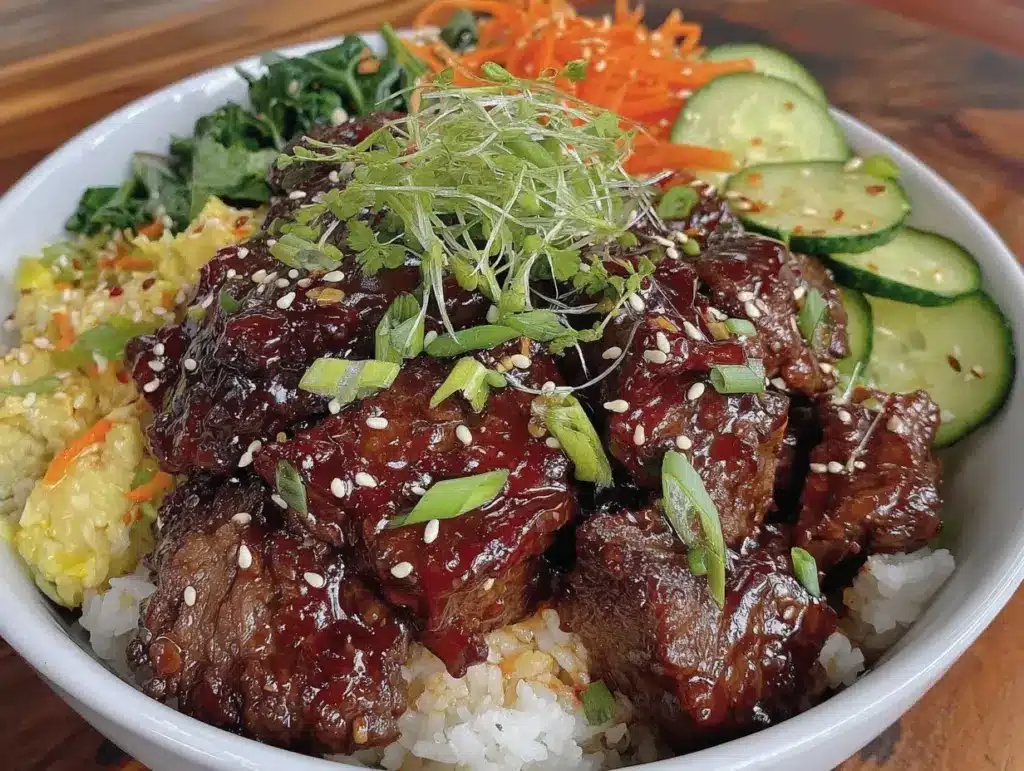
“You really need to try this Korean beef bowl,” my coworker said, sliding a container across the table during lunch break. Honestly, I was skeptical—Korean flavors weren’t really on my usual radar. But the moment I took that first bite, something shifted. The rich, savory-sweet beef paired with fluffy rice and crisp fresh vegetables created this unexpectedly comforting meal that hit all the right notes. It wasn’t complicated or fancy, just honest food that felt like a warm hug after a long day.
That day sparked a bit of an obsession. I found myself craving this dish multiple times a week, tweaking the sauce and experimenting with different veggies to make it my own. What’s funny is how simple it is; no exotic ingredients hiding in a pantry corner, just straightforward flavors that come together in a flash. The recipe stuck because it’s perfect when you want something quick but satisfying—something that feels homemade yet tastes like you spent hours in the kitchen.
Now, whenever I need a reset, this flavorful Korean beef bowl with rice and fresh vegetables is my go-to. It’s the kind of meal that quiets the noise and makes me appreciate the little joys in cooking and eating. If you’re ready for a dish that’s easy, tasty, and refreshingly wholesome, I’m pretty sure this one will find a place in your weeknight rotation too.
Why You’ll Love This Recipe
After making this Korean beef bowl over and over (yes, I’m guilty of repeating it way too often), I can confidently say it’s a standout recipe for several reasons:
- Quick & Easy: You can have it on the table in under 30 minutes. No need for complicated prep or long marinating times.
- Simple Ingredients: Most of what you need is probably already in your kitchen—soy sauce, garlic, brown sugar, ground beef, and some fresh veggies.
- Perfect for Weeknights: Whether you’re rushing home from work or craving something hearty and fresh, this recipe hits the spot every time.
- Crowd-Pleaser: Kids, picky eaters, and adventurous foodies alike have given this one thumbs up. It’s got the kind of flavor combo that brings everyone to the table.
- Unbelievably Delicious: The balance of sweet, salty, and umami in the sauce combined with crisp vegetables and fluffy rice is just next-level comfort food.
What makes this recipe special? It’s the perfect balance of a lightly caramelized sauce that clings to tender ground beef, with fresh crunch from the raw vegetables that keep it bright and lively. I like to blend a bit of sesame oil for that nutty depth and add a splash of rice vinegar for tang. It’s not just another stir-fry or rice bowl you’ve had before—it’s a thoughtfully crafted blend that feels both familiar and exciting.
Honestly, after trying variations with different proteins and veggies, nothing beats this original combo for me. It’s like comfort food reimagined with a fresh twist, making it easy to impress guests without the fuss. The recipe’s versatility also means it’s great for meal prep or a quick solo dinner.
What Ingredients You Will Need
This flavorful Korean beef bowl relies on a handful of simple, wholesome ingredients to create bold taste and satisfying texture without any fuss. Here’s what you’ll want to gather:
- Ground Beef (1 lb / 450 g): Choose 80/20 for the best flavor and juiciness.
- Soy Sauce (¼ cup / 60 ml): Use low sodium if you want to control saltiness—Kikkoman is a personal favorite.
- Brown Sugar (2 tablespoons): Adds that sweet caramelization that balances the savory sauce.
- Garlic (3 cloves, minced): Fresh garlic is key for authentic flavor.
- Ginger (1 teaspoon, grated): Brings a subtle warmth and brightness.
- Sesame Oil (1 tablespoon): Use toasted sesame oil for a nutty aroma.
- Green Onions (2, sliced): Fresh and crisp for garnish and a mild onion bite.
- Carrot (1 medium, julienned or shredded): Adds sweetness and crunch.
- Cucumber (½, thinly sliced): Refreshing, balances the richness.
- Cooked White Rice (3 cups / 600 g): Short grain or jasmine rice works beautifully; freshly steamed is best.
- Red Pepper Flakes (optional, ¼ teaspoon): For a hint of heat if you like it spicy.
- Rice Vinegar (1 teaspoon): Brightens the vegetables and lifts the whole bowl.
If you want to swap ingredients, feel free to use ground turkey or chicken instead of beef for a leaner option. For a gluten-free version, tamari works well instead of soy sauce. I’ve also tried swapping cucumber with radishes for a sharper crunch during winter months.
Equipment Needed
- Large Skillet or Nonstick Pan: For browning the ground beef evenly without sticking.
- Medium Saucepan or Rice Cooker: To cook the rice perfectly every time. A rice cooker really simplifies this step and keeps the rice warm.
- Cutting Board and Sharp Knife: Essential for prepping the fresh vegetables quickly and safely.
- Measuring Cups and Spoons: For accurate sauce proportions—trust me, the balance here matters.
- Mixing Bowl: Handy for tossing the carrots and cucumbers with rice vinegar before serving.
For budget-conscious cooks, a simple nonstick frying pan and a covered pot will do just fine. If you’re like me and enjoy multitasking in the kitchen, a rice cooker is a game-changer—it frees up stove space and keeps your rice perfectly steamed while you focus on the beef and veggies.
Preparation Method
- Cook the Rice: Rinse 1½ cups (300 g) of jasmine or short-grain rice under cold water until it runs clear. Place in a saucepan with 2¼ cups (540 ml) water. Bring to a boil, reduce heat to low, cover, and simmer for 15 minutes. Remove from heat and let it stand, covered, for 10 minutes. Alternatively, use a rice cooker for fuss-free results.
- Prep the Vegetables: While the rice cooks, thinly slice the cucumber and julienne or shred the carrot. Toss them in a small bowl with 1 teaspoon rice vinegar and a pinch of salt to brighten and soften slightly. Set aside.
- Brown the Beef: Heat 1 tablespoon toasted sesame oil in a large skillet over medium-high heat. Add 1 pound (450 g) ground beef and cook, breaking it apart with a spatula, until no longer pink and slightly caramelized, about 6-8 minutes. Drain excess fat if necessary.
- Add Aromatics: Stir in 3 minced garlic cloves and 1 teaspoon grated ginger. Cook for 1 minute until fragrant, but don’t let the garlic burn.
- Make the Sauce: Pour in ¼ cup (60 ml) soy sauce and add 2 tablespoons brown sugar. Stir to combine and let the mixture simmer for 3-4 minutes until the sauce thickens slightly and coats the beef.
- Season: If you want a little kick, sprinkle in ¼ teaspoon red pepper flakes now. Stir in sliced green onions (reserve some for garnish).
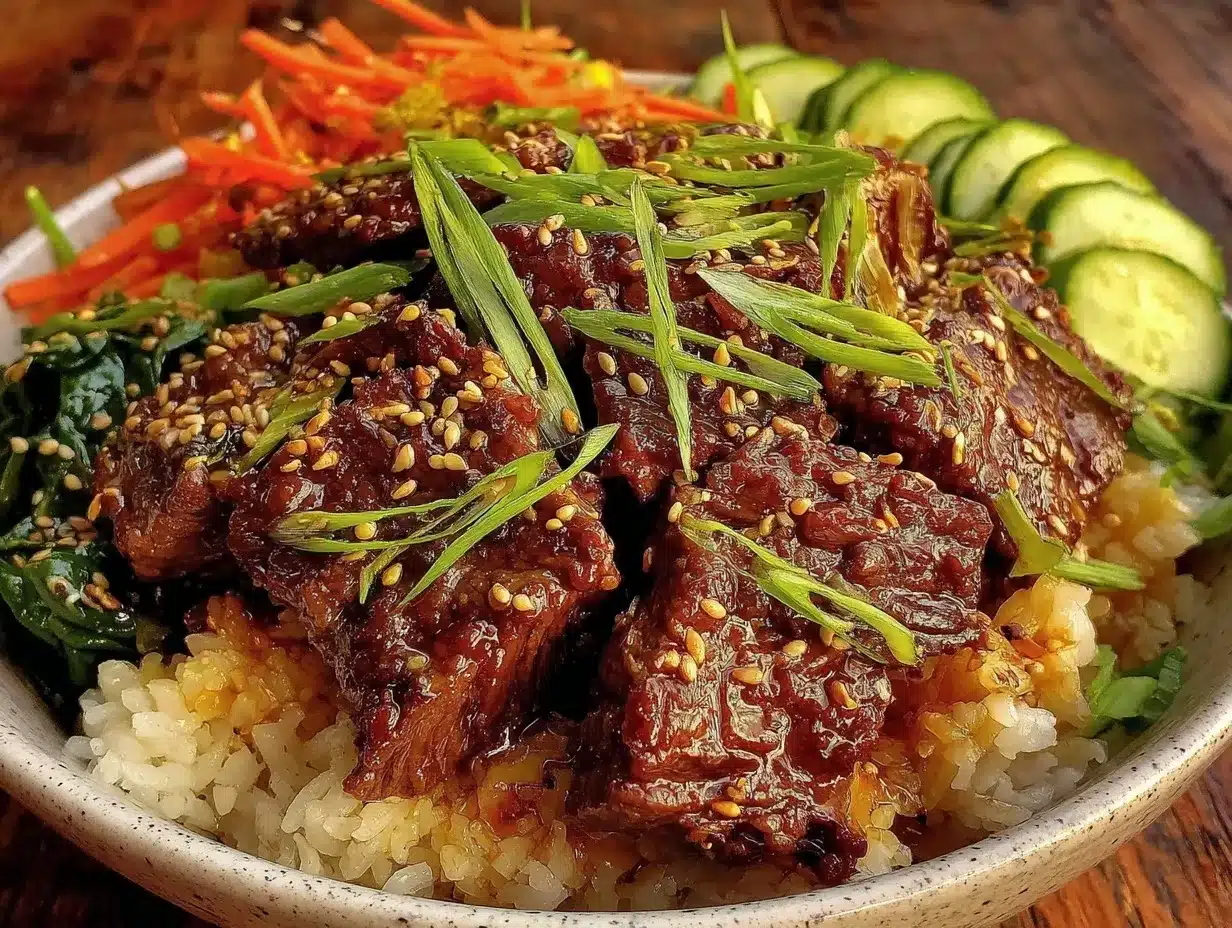
- Assemble the Bowl: Fluff the rice with a fork and divide it between bowls. Spoon the flavorful Korean beef over the rice, then top with the vinegar-tossed carrots and cucumbers. Garnish with remaining green onions and an extra drizzle of sesame oil if you like.
- Serve Immediately: This dish is best fresh, so enjoy it warm with the vibrant veggies providing a refreshing contrast.
One tip I’ve learned is not to overcrowd the pan when cooking the beef—this helps achieve that nice caramelized edge instead of steaming. Also, letting the sauce reduce a bit makes all the difference in flavor concentration.
Cooking Tips & Techniques
Getting the perfect Korean beef bowl is about balancing flavors and textures. Here are some practical tips I’ve picked up:
- Don’t Rush Browning: Take your time browning the ground beef over medium-high heat. The caramelized bits add deep flavor that can’t be faked.
- Fresh Garlic and Ginger: Always use fresh if you can. Pre-minced garlic in jars just doesn’t give the same punch or aroma.
- Balance the Sweetness: Brown sugar is key here, but taste as you go. Too much can overpower, too little leaves it flat.
- Multitask Smartly: Prep your veggies and start the rice before cooking the beef, so everything finishes around the same time.
- Use a Sharp Knife: Thin, even slices of cucumber and carrot make the bowl look vibrant and ensure each bite has a crisp freshness.
- Adjust Heat Levels: Red pepper flakes are optional but highly recommended. Start small and add more if you like things spicy.
- Rest the Rice: Letting rice sit covered off heat for 10 minutes after cooking helps the grains firm up and prevents mushiness.
Early on, I used to dump everything straight in without seasoning the veggies or properly reducing the sauce. That taught me the value of layering flavors and textures for a bowl that feels thoughtfully composed rather than slapped together.
Variations & Adaptations
This Korean beef bowl recipe is incredibly flexible. Here are some ways to make it your own:
- Protein Swaps: Try ground turkey or chicken for a leaner, lighter option. Tofu cubes work well if you want a vegetarian twist—just pan-fry until golden before adding sauce.
- Seasonal Veggies: In summer, swap cucumber and carrot for fresh bell peppers, snap peas, or shredded cabbage. Winter calls for quick-pickled radishes or sautéed mushrooms.
- Spice Variations: Add a tablespoon of gochujang (Korean chili paste) to the sauce for authentic heat and depth. Or drizzle sriracha on top for a quick spicy kick.
- Grain Alternatives: Brown rice, quinoa, or cauliflower rice all work beautifully if you want to switch up the base.
- Personal Favorite Variation: I once added kimchi on the side and a fried egg on top for extra richness and texture. It turned a simple bowl into a feast.
Adapting this recipe to your pantry and preferences is part of the fun. Just keep the balance between savory, sweet, and fresh elements, and you can’t go wrong.
Serving & Storage Suggestions
Serve this Korean beef bowl warm, right after assembling, to enjoy the contrast between tender beef, fluffy rice, and crisp veggies. Garnishing with an extra sprinkle of green onions or a drizzle of sesame oil adds a lovely finishing touch.
This bowl pairs well with simple sides like steamed edamame, miso soup, or even a crunchy snack like crispy baked turkey sliders if you’re feeding a crowd.
To store leftovers, keep the beef and rice in an airtight container separate from the fresh vegetables to prevent sogginess. Refrigerate for up to 3 days. When reheating, warm the beef and rice gently in a skillet or microwave, then add fresh veggies right before serving to retain their crunch.
Flavors tend to deepen after a day in the fridge, so meal prep for lunches can be quite rewarding with this dish. Just remember to keep the fresh veggies separate until you’re ready to eat.
Nutritional Information & Benefits
This Korean beef bowl is not only delicious but also packs a nice nutritional profile for a balanced meal. A typical serving provides about:
- Calories: 450-500 kcal
- Protein: 30 grams (from ground beef)
- Carbohydrates: 45 grams (mainly from rice and veggies)
- Fat: 15 grams (mostly from meat and sesame oil)
Key ingredients like garlic and ginger offer anti-inflammatory benefits, and the fresh vegetables provide fiber and vitamins. Using lean ground beef can reduce saturated fat, and swapping to brown rice boosts whole grain content. This bowl fits well within a balanced diet and can be adapted for gluten-free or low-carb lifestyles by adjusting soy sauce and rice choices.
Conclusion
If you’re searching for a meal that’s simple but never boring, this flavorful Korean beef bowl with rice and fresh vegetables should be on your list. It’s one of those rare recipes that feels like a treat yet comes together fast and with everyday ingredients.
Feel free to make it your own—add your favorite veggies, tweak the heat, or swap proteins to suit your taste. Personally, I love how this dish turns a hectic evening into a comforting ritual, and I hope it becomes a favorite in your kitchen too.
Don’t hesitate to drop a comment below sharing your twists or questions. Cooking should be a fun adventure, and this bowl is a great place to start.
Here’s to many satisfying meals ahead!
FAQs
Can I use ground chicken or turkey instead of beef?
Absolutely! Ground chicken or turkey works well here. Just be sure to cook it thoroughly and adjust seasoning since these meats are leaner and milder in flavor.
Is this recipe gluten-free?
It can be, if you swap regular soy sauce for a gluten-free tamari or coconut aminos. Also, double-check any other sauces or ingredients for hidden gluten.
Can I make this recipe ahead of time?
Yes, you can cook the beef and rice ahead and store separately in the fridge for up to 3 days. Add fresh veggies just before serving to keep them crisp.
What can I serve with this Korean beef bowl?
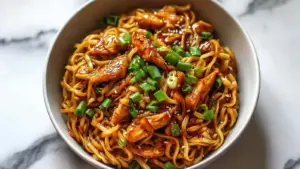
Simple sides like steamed edamame, a light salad, or even sticky garlic chicken noodles complement this bowl nicely.
How spicy is this recipe?
It’s mild by default but you can easily adjust the heat with more red pepper flakes or add gochujang for authentic Korean spice.
Pin This Recipe!
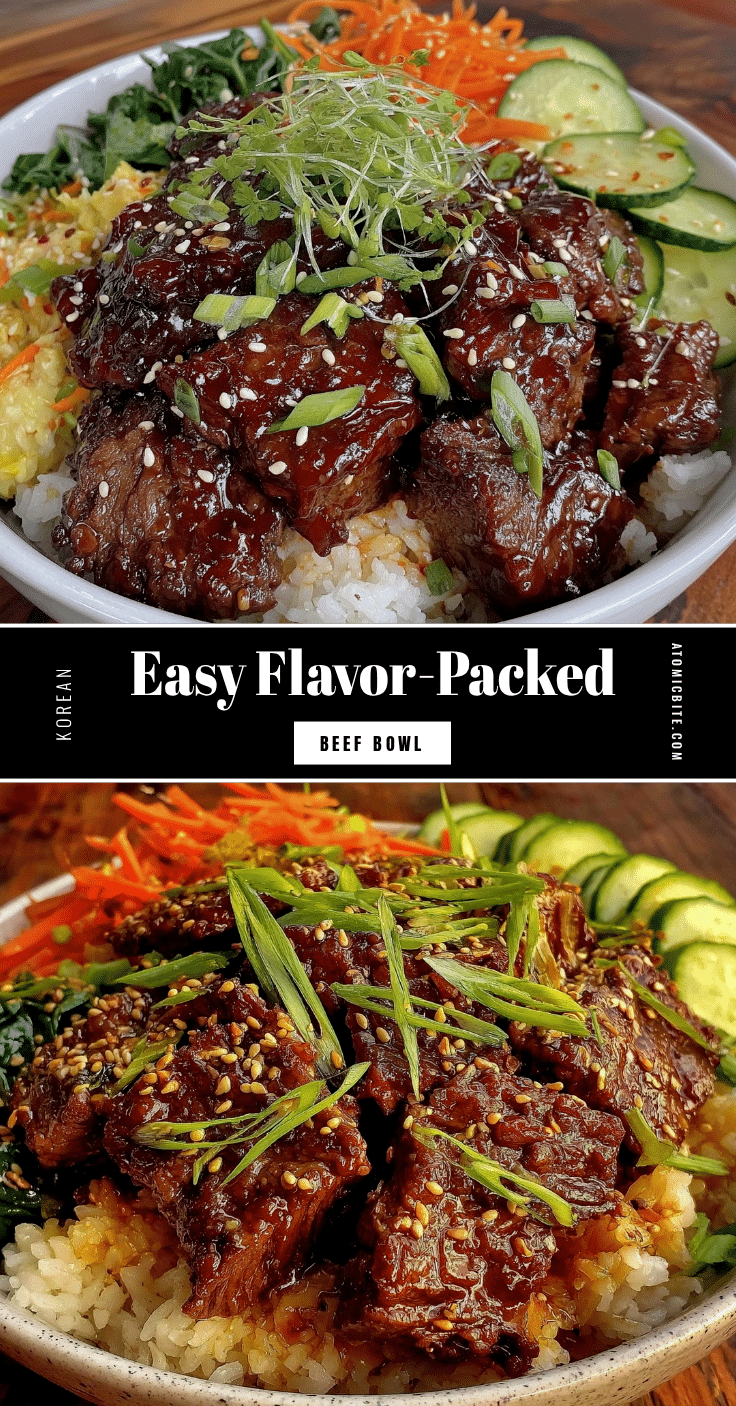
Flavorful Korean Beef Bowl Recipe Easy Homemade Rice and Veggies

A quick and easy Korean beef bowl featuring savory-sweet caramelized ground beef, fluffy rice, and fresh crisp vegetables, perfect for a comforting weeknight meal.
- Prep Time: 10 minutes
- Cook Time: 20 minutes
- Total Time: 30 minutes
- Yield: 4 servings 1x
- Category: Main Course
- Cuisine: Korean
Ingredients
- 1 lb (450 g) ground beef (80/20)
- 1/4 cup (60 ml) soy sauce (low sodium recommended)
- 2 tablespoons brown sugar
- 3 cloves garlic, minced
- 1 teaspoon grated ginger
- 1 tablespoon toasted sesame oil
- 2 green onions, sliced
- 1 medium carrot, julienned or shredded
- 1/2 cucumber, thinly sliced
- 3 cups (600 g) cooked white rice (short grain or jasmine)
- 1/4 teaspoon red pepper flakes (optional)
- 1 teaspoon rice vinegar
- Pinch of salt (for veggies)
Instructions
- Rinse 1½ cups (300 g) jasmine or short-grain rice under cold water until clear. Place in saucepan with 2¼ cups (540 ml) water. Bring to boil, reduce heat to low, cover, and simmer for 15 minutes. Remove from heat and let stand covered for 10 minutes. Alternatively, use a rice cooker.
- While rice cooks, thinly slice cucumber and julienne or shred carrot. Toss with 1 teaspoon rice vinegar and a pinch of salt. Set aside.
- Heat 1 tablespoon toasted sesame oil in large skillet over medium-high heat. Add ground beef and cook, breaking apart, until no longer pink and slightly caramelized, about 6-8 minutes. Drain excess fat if needed.
- Stir in minced garlic and grated ginger. Cook 1 minute until fragrant, avoiding burning garlic.
- Add soy sauce and brown sugar. Stir and simmer 3-4 minutes until sauce thickens and coats beef.
- If desired, add red pepper flakes. Stir in sliced green onions, reserving some for garnish.
- Fluff rice with fork and divide between bowls. Top with Korean beef, then vinegar-tossed carrots and cucumbers. Garnish with remaining green onions and drizzle extra sesame oil if desired.
- Serve immediately while warm.
Notes
Do not overcrowd the pan when browning beef to achieve caramelization. Let sauce reduce slightly for better flavor concentration. Use fresh garlic and ginger for best aroma. Red pepper flakes are optional and can be adjusted to taste. Let rice rest covered off heat for 10 minutes to prevent mushiness. Store beef and rice separately from fresh veggies to keep veggies crisp.
Nutrition
- Serving Size: 1 bowl (approximatel
- Calories: 475
- Sugar: 8
- Sodium: 700
- Fat: 15
- Saturated Fat: 6
- Carbohydrates: 45
- Fiber: 3
- Protein: 30
Keywords: Korean beef bowl, ground beef recipe, quick dinner, easy Korean recipe, rice bowl, weeknight meal, savory beef, homemade Korean food