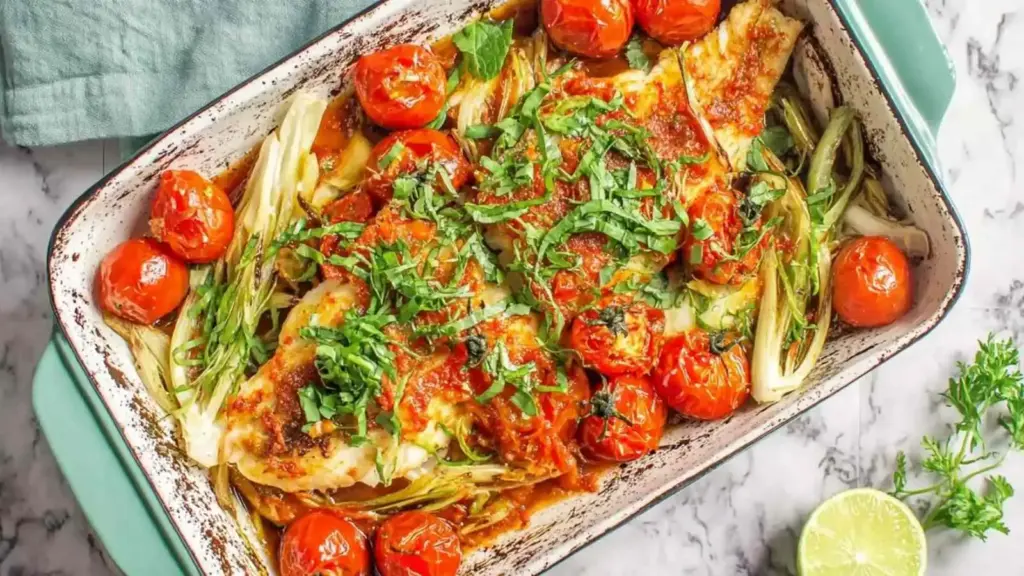
“Hey, you’ve gotta try this fish!” my roommate blurted out one evening, brandishing a mysterious jar of sambal paste and a bunch of fresh lemongrass she’d picked up on a whim. I was skeptical—sea bass with fiery sambal? Lemongrass and ginger in the mix? It sounded like a wild combination that might crash and burn. But honestly, after a long day juggling work and dinner plans, I threw caution to the wind and gave it a shot.
The kitchen quickly filled with a fragrant swirl of zesty lemongrass, sharp ginger, and spicy chili that had me intrigued — and admittedly hungry. The sea bass, flaky and tender, soaked up the sambal’s complexity without overpowering it. That first bite was a quiet revelation, the kind that sneaks up on you. I found myself making this dish more than once that week, sometimes tweaking the heat, other times adding a little honey for balance.
What stuck with me was how this vibrant recipe became a go-to comfort—quick, bold, and surprisingly simple. It’s not just a meal; it’s a little moment of culinary adventure that fits effortlessly into busy nights. That’s why I’m sharing this flavorful sambal lemongrass and ginger sea bass recipe—it’s one of those gems that quietly earns a permanent spot on your dinner roster.
Why You’ll Love This Recipe
After testing this recipe multiple times (yes, sometimes twice in a week!), I’m confident it’s a winner for anyone who appreciates bold flavors without complicated steps. Here’s why this sambal lemongrass and ginger sea bass stands apart:
- Quick & Easy: Ready in under 30 minutes, making it perfect for those hectic weeknights when you want something impressive without the fuss.
- Simple Ingredients: No exotic or hard-to-find items—just pantry staples and fresh aromatics that you probably already have or can grab easily.
- Perfect for Dinner Parties: The exotic flavors and elegant presentation make it an ideal dish to impress guests without last-minute stress.
- Crowd-Pleaser: The balance of spicy, tangy, and fragrant notes appeals to a wide range of palates, from spice lovers to more cautious eaters.
- Unbelievably Delicious: The tender sea bass fillets soak in the sambal and lemongrass marinade, creating a texture and flavor combo that’s pure comfort food with a twist.
This isn’t your average fish dish. The secret lies in the perfectly balanced sambal—homemade or store-bought—that mingles with the fresh zing of lemongrass and the warmth of ginger. It’s a subtle dance of heat and aromatics that wakes up your taste buds but never overwhelms. Honestly, it’s the kind of dish that makes you pause, savor, and maybe even close your eyes after the first bite.
For those nights when you want to treat yourself but don’t have hours to spend in the kitchen, this recipe fits the bill. It’s like a mini getaway on a plate, without leaving your home.
What Ingredients You Will Need
This recipe relies on straightforward ingredients that come together to create big flavor—no fuss, just fresh and bold. Here’s what you’ll need:
- Sea Bass Fillets: About 4 fillets (6 oz / 170 g each), fresh or thawed, skin on for best texture.
- Sambal Oelek: 2 tablespoons (chili paste with a good kick—store-bought works well, but homemade adds extra depth).
- Lemongrass: 2 stalks, finely chopped (white part only, bruised slightly to release aroma).
- Fresh Ginger: 1 tablespoon, grated (adds warmth and slight sweetness).
- Garlic: 3 cloves, minced (classic flavor foundation).
- Soy Sauce: 2 tablespoons (use low-sodium for better control over saltiness).
- Honey: 1 tablespoon (balances the heat and acidity with a gentle sweetness).
- Lime Juice: From 1 lime (freshly squeezed for brightness).
- Vegetable Oil: 2 tablespoons (for searing and sautéing).
- Fresh Cilantro or Thai Basil: For garnish (adds a fresh herbal note).
Looking for substitutions? Use tamari instead of soy sauce for gluten-free needs. You can swap sea bass with other firm white fish like cod or snapper if preferred. If lemongrass is tricky to find, a teaspoon of lemon zest can lighten the dish, though the flavor won’t be quite the same.
For sambal, I tend to trust brands like Lee Kum Kee for consistent heat and quality, but any good chili paste that has a balance of heat and flavor will work. If you want to tone down the heat, start with one tablespoon and add more after tasting the marinade.
Equipment Needed
- Non-stick or Cast Iron Skillet: For searing the sea bass evenly without sticking. I’ve tried both, and cast iron gives a wonderful crust but requires good seasoning.
- Mixing Bowls: One for the marinade and one for combining ingredients.
- Microplane or Grater: For fresh ginger and zesting lime—makes a big difference in flavor intensity.
- Sharp Knife and Cutting Board: For prepping lemongrass and garlic finely.
- Tongs or Fish Spatula: To flip the delicate sea bass without breaking it.
If you don’t have a cast iron skillet, a heavy-bottomed stainless-steel pan works just fine. Just be patient with the heat and oil to prevent sticking. Keeping your knives sharp really helps with chopping tougher lemongrass stalks.
Preparation Method
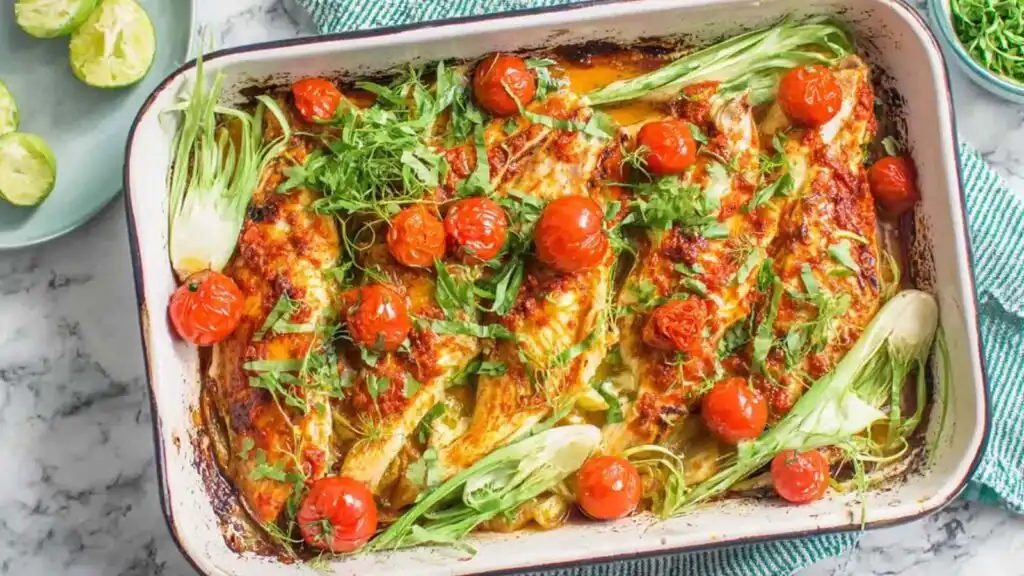
- Prepare the Marinade: In a medium bowl, combine the sambal oelek, chopped lemongrass, grated ginger, minced garlic, soy sauce, honey, and lime juice. Stir well until honey dissolves and the mixture is uniform. This will be your flavor powerhouse.
- Marinate the Sea Bass: Pat the sea bass fillets dry with paper towels—this helps the marinade stick better. Coat each fillet evenly with the marinade, making sure to get the mixture under the skin if possible. Let them rest for at least 15 minutes at room temperature. If you have more time, marinate up to 30 minutes in the fridge for deeper flavor, but don’t go longer or the lime juice will start “cooking” the fish.
- Heat the Pan: Place your skillet over medium-high heat and add the vegetable oil. Let it get hot enough that a drop of water sizzles immediately. This step ensures a nice sear.
- Sear the Sea Bass: Place fillets skin-side down carefully in the skillet. Press gently with a spatula to keep the skin flat against the pan. Cook for about 4-5 minutes without moving them, until the skin is crisp and releases easily.
- Flip and Finish Cooking: Turn the fillets over and cook for another 2-3 minutes, depending on thickness. The fish should be opaque and flake easily when tested with a fork.
- Rest and Garnish: Transfer to a serving plate and let rest for a minute. Sprinkle fresh cilantro or Thai basil over the top for a fresh, bright finish.
Watch out for overcooking—sea bass is delicate and dries out quickly. If your fillets are thick, lower the heat slightly after flipping to avoid burning the marinade.
This dish pairs beautifully with a simple steamed jasmine rice or even loaded potato taco bowl for a twist on sides that soak up the sauce.
Cooking Tips & Techniques
Here’s what I’ve learned from multiple attempts (and a couple of burnt batches):
- Marinate Just Right: Too little time and the flavors won’t penetrate; too long and the acid starts to “cook” the fish like a ceviche. Aim for 15-30 minutes.
- Dry Fish is Key: Moisture is the enemy of a crispy skin. Always pat your fillets dry before marinating and again just before cooking.
- Hot Pan, Steady Heat: Use a well-heated pan and don’t overcrowd it. Give each fillet space so it sears properly instead of steaming.
- Press the Fish Down: When you place the fillet skin-side down, press it gently with a spatula for the first 30 seconds to keep it flat and avoid curling.
- Multitasking: While the fish cooks, whip up a quick side or toss a salad. Timing is everything to serve it fresh and hot.
One time, I forgot to press the sea bass down and ended up with curling skin that didn’t crisp well—it’s a small but game-changing step. Also, if you find your sambal too fiery, add a touch more honey or lime juice to balance it out.
Variations & Adaptations
This recipe is a great base to experiment with, depending on what you have or your dietary preferences:
- Spicy Level: Use less sambal for milder heat or add chopped fresh red chilies if you want to crank it up.
- Herb Twists: Swap cilantro for fresh mint or Thai basil for a different herbal note.
- Alternative Proteins: Try this marinade on firm tofu or chicken breasts for a non-fish option.
- Gluten-Free: Use tamari instead of soy sauce and ensure your sambal paste is gluten-free.
- Cooking Methods: If you don’t want to pan-sear, baking at 400°F (200°C) for 12-15 minutes works well—just brush the fish with oil and marinade before baking.
I once swapped out sea bass for salmon and added a splash of coconut milk to the marinade for a richer taste. It was indulgent but still carried the fresh flavors beautifully.
Serving & Storage Suggestions
Serve your sambal lemongrass and ginger sea bass hot, ideally right from the pan to table. The crispy skin and tender flesh lose their magic once cooled.
Pair it with fluffy jasmine rice or steamed greens like bok choy for a simple, balanced meal. A side of pickled vegetables or a crisp cucumber salad adds a refreshing contrast. For something heartier, I often serve it alongside sticky garlic chicken noodles to round out the dinner with complementary flavors.
Leftovers can be stored in an airtight container in the fridge for up to 2 days. Reheat gently in a skillet over low heat to keep the skin crisp-ish (microwaving tends to make it soggy). Flavors continue to meld overnight, making the fish even more flavorful the next day if you can resist eating it immediately.
Nutritional Information & Benefits
This dish is a solid choice if you’re looking for a protein-rich, flavorful seafood meal that’s relatively light but satisfying. Per serving (one 6 oz fillet), estimates are:
| Calories | 280 kcal |
|---|---|
| Protein | 35 g |
| Fat | 12 g (mostly healthy fats from fish and oil) |
| Carbohydrates | 5 g |
Sea bass is rich in omega-3 fatty acids, great for heart health and brain function. The fresh ginger and lemongrass bring anti-inflammatory benefits and aid digestion. Using moderate soy sauce keeps sodium levels in check compared to heavier Asian sauces.
For those avoiding gluten, the simple swap to tamari makes this a safe, wholesome dinner choice. And if you’re curious about pairing this with a lighter dessert, check out the creamy apple delight dessert for a balanced finish.
Conclusion
This flavorful sambal lemongrass and ginger sea bass is one of those dishes that surprises you with how easy it is to create restaurant-quality flavor at home. It’s a recipe that fits perfectly into busy routines yet feels special enough for entertaining. I love it because it’s bold without being complicated, spicy but balanced, and always satisfying.
Feel free to tweak the spice and herbs to suit your taste, and don’t shy away from trying it with different sides or proteins. Cooking is all about making recipes your own, after all.
If you give this a go, I’d love to hear how you put your spin on it. Drop a comment below with your twists or questions—sharing food stories is half the fun!
Here’s to many flavorful dinners ahead.
FAQs About Flavorful Sambal Lemongrass and Ginger Sea Bass
Can I use frozen sea bass for this recipe?
Yes, just make sure to thaw it fully and pat dry before marinating. This helps the marinade stick and prevents sogginess.
What can I substitute if I don’t have lemongrass?
Fresh lemon zest and a small amount of finely chopped green onion can approximate the brightness, but the unique flavor of lemongrass is hard to replace completely.
Is sambal oelek very spicy?
It has a moderate heat level—spicy but not overwhelming. Adjust the amount based on your heat tolerance or use a milder chili paste.
Can I prepare the marinade ahead of time?
Absolutely! The marinade can be mixed and stored in the fridge for up to 2 days. Just bring it to room temperature before using.
How do I know when the sea bass is perfectly cooked?
The flesh should be opaque and flake easily with a fork but still feel moist. Overcooking makes it dry and crumbly.
Pin This Recipe!
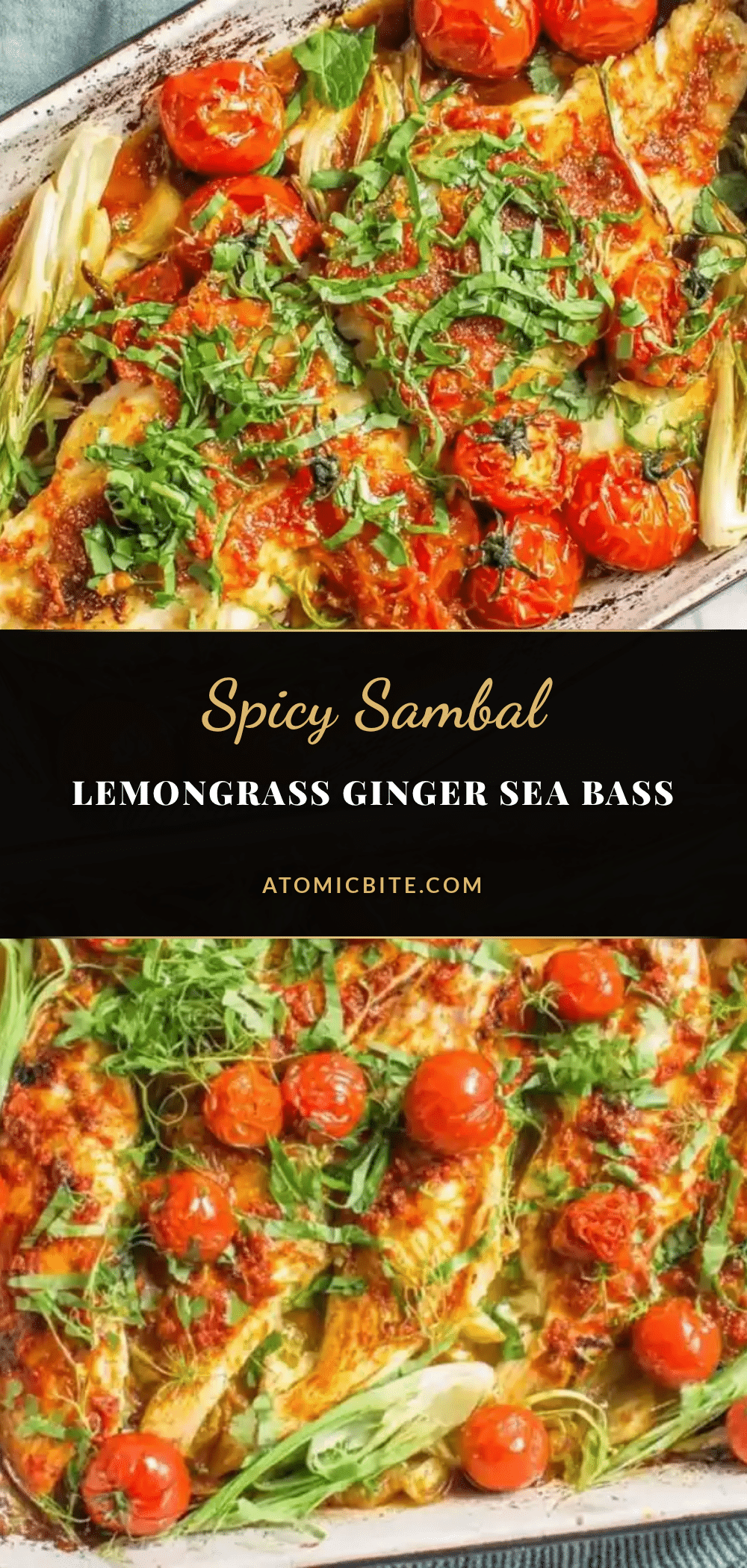
Flavorful Sambal Lemongrass and Ginger Sea Bass Recipe

A quick and easy seafood dish featuring tender sea bass fillets marinated in a bold sambal, lemongrass, and ginger mixture, perfect for busy weeknights or dinner parties.
- Prep Time: 10 minutes
- Cook Time: 10 minutes
- Total Time: 20 minutes
- Yield: 4 servings 1x
- Category: Main Course
- Cuisine: Southeast Asian
Ingredients
- 4 sea bass fillets (6 oz / 170 g each), fresh or thawed, skin on
- 2 tablespoons sambal oelek (chili paste)
- 2 stalks lemongrass, finely chopped (white part only, bruised)
- 1 tablespoon fresh ginger, grated
- 3 cloves garlic, minced
- 2 tablespoons soy sauce (low-sodium recommended)
- 1 tablespoon honey
- Juice of 1 lime
- 2 tablespoons vegetable oil
- Fresh cilantro or Thai basil for garnish
Instructions
- Prepare the marinade by combining sambal oelek, chopped lemongrass, grated ginger, minced garlic, soy sauce, honey, and lime juice in a medium bowl. Stir until honey dissolves and mixture is uniform.
- Pat sea bass fillets dry with paper towels. Coat each fillet evenly with the marinade, including under the skin if possible. Let rest for at least 15 minutes at room temperature or up to 30 minutes in the fridge.
- Heat a non-stick or cast iron skillet over medium-high heat and add vegetable oil. Heat until a drop of water sizzles immediately.
- Place fillets skin-side down in the skillet. Press gently with a spatula to keep skin flat. Cook for 4-5 minutes without moving until skin is crisp and releases easily.
- Flip fillets and cook for another 2-3 minutes until fish is opaque and flakes easily with a fork.
- Transfer to a serving plate and let rest for a minute. Garnish with fresh cilantro or Thai basil before serving.
Notes
Marinate sea bass for 15-30 minutes; avoid over-marinating to prevent ‘cooking’ the fish with lime juice. Pat fish dry before marinating and before cooking for crispy skin. Use moderate heat and press fillets down when searing to avoid curling. Adjust sambal amount to control spice level. Leftovers keep up to 2 days refrigerated; reheat gently in skillet to maintain skin texture.
Nutrition
- Serving Size: One 6 oz sea bass fi
- Calories: 280
- Fat: 12
- Carbohydrates: 5
- Protein: 35
Keywords: sea bass, sambal, lemongrass, ginger, seafood recipe, quick dinner, spicy fish, easy seafood, healthy dinner